
Managing a bustling household often feels like a constant exercise in triage. Between balancing work schedules, driving to extracurricular activities, keeping up with laundry, and trying to prepare nutritious meals, parents frequently find their home environment working against them rather than for them. A sticky lock here, a cold shower there, or an unkempt yard can slowly erode daily peace of mind, adding subtle micro-stresses to an already full plate.
Many homeowners view property improvements through the narrow lens of resale value or cosmetic appeal. However, for families with growing children, the most meaningful upgrades are those that restore time, streamline routine tasks, and create a safer, more predictable daily environment. Investing in your home’s underlying infrastructure yields dividends in daily sanity that far outweigh superficial aesthetic updates. When you eliminate routine friction points, you free up mental bandwidth to focus on what truly matters: spending quality, stress-free time with your family.
Streamlining Indoor Chores to Reclaim Family Time

Modernizing Kitchen Equipment for Quicker Cleanup
After a long day of school, work, and afternoon activities, the last thing any parent wants is to spend an hour scrubbing pots and pans by hand. Kitchen efficiency directly impacts evening downtime. Older appliances not only consume more energy and water, but they also tend to leave dishes partially cleaned, forcing you to run double cycles or spend extra time re-washing plates. Upgrading to a modern, high-efficiency system eliminates this daily bottleneck.
When choosing modern appliances, parents should prioritize decibel ratings alongside energy metrics. Open-concept living spaces mean that a noisy cycle can easily interrupt a child trying to do homework or wake a light-sleeping toddler in a nearby bedroom. Models operating below 44 decibels are virtually silent, allowing you to run a cycle immediately after dinner without disrupting quiet evening routines. Professional dishwasher installation ensures that water supply lines and drain hoses are properly fitted, preventing subtle leaks behind cabinetry that could lead to costly mold or floor damage over time.
Beyond the immediate noise reduction, modern dishwashing units feature flexible racking configurations specifically built to handle heavy, irregular family items like large baby bottles, smoothie blender jars, and oversized baking sheets. Specialized wash zones target stubborn, baked-on food residues, completely removing the need to pre-scrub items at the sink before loading them. Over the course of a single year, saving twenty minutes every night on dish duty yields more than two full weeks of waking free time returned directly to your family schedule.
Preventing Disruptive Household Plumbing Emergencies
Few things derail a smooth morning schedule faster than a sudden plumbing failure. Whether it is a clogged drain during the school prep rush, a toilet that will not flush, or a slow leak under the bathroom sink, internal water systems are under heavy demand in a family home. Taking a proactive approach to your home’s plumbing infrastructure stops small annoyances from escalating into catastrophic disruptions.
Consider having an experienced professional evaluate your home’s main supply lines, drainage pipes, and fixture seals every few years. Qualified plumbers can identify hidden mineral buildup, replacing aging rubber washers, or retrofitting main shut-off valves with quarter-turn ball valves that are easy to operate in an emergency. Installing strainers in bathtub drains, replacing worn-out garbage disposals, and ensuring toilet flappers are sealing properly are straightforward steps that safeguard your morning routines against unexpected surprises.
Water pressure regulation is another vital aspect of whole-house pipe health that directly affects busy households. Unregulated high water pressure may feel great in the shower, but it places excessive stress on flex lines connected to washing machines, ice makers, and toilets, greatly increasing the risk of a burst line when everyone is out of the house. Installing a whole-home pressure-reducing valve keeps system stress within safe limits, protecting your property against sudden indoor flooding and preserving delicate fixtures.
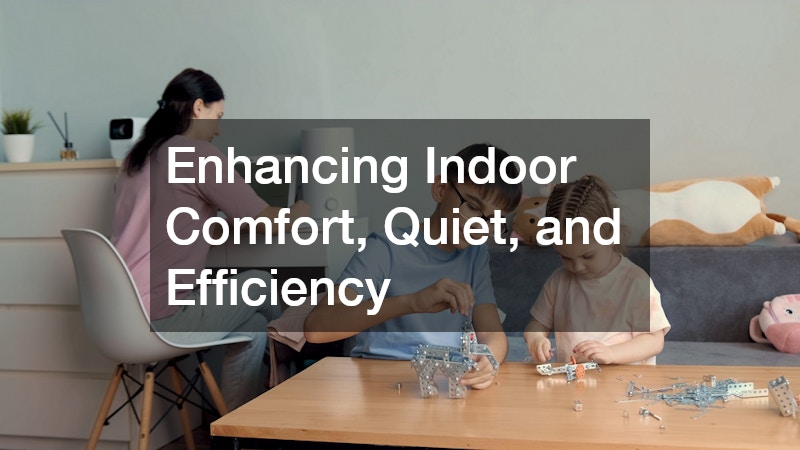
Enhancing Indoor Comfort, Quiet, and Efficiency
Step 1: Evaluate Window Performance and Drafts
Walk through your home on a windy or particularly cold day and place your hand near the frames of existing glass panes. Drafty windows force your heating and cooling systems to work twice as hard, leading to unpredictable indoor temperatures and soaring monthly utility bills. Replacing old, single-pane units with modern double- or triple-pane options creates a thermal barrier that keeps nursery and bedroom temperatures stable through the night. A skilled local window installer can ensure tight air seals, proper flashing, and smooth operation, keeping out moisture while dampening outside street noise so your children sleep soundly.
Thermally efficient glass package upgrades also block damaging ultraviolet rays that prematurely fade living room rugs, play mats, and bedroom furniture. By keeping interior glass surface temperatures closer to the surrounding room temperature, you eliminate the drafty convection currents that make sitting near a window uncomfortable during cold winter months, transforming unused windowsill nooks into cozy reading spots for your kids.
Step 2: Address Sunlight Control and Cord Safety
Once window structures are secure, turn your attention to interior window coverings. Traditional corded blinds present a serious strangulation hazard for curious toddlers and pets, making them a liability in nurseries and playrooms. Updating your window treatments to modern, cordless designs eliminates this physical risk while offering much better light-control capabilities.
Step 3: Implement Cordless Treatment Options
Opt for custom-fitted interior shutters or solid timber blinds that lock out unwanted morning sun. Precision shutter installations allow you to direct airflow and light with ease, tilting louvers upward to maintain privacy while letting in ambient daylight. Solid blackout variations are especially beneficial in young children’s rooms during summer months, helping establish consistent sleep schedules even when it remains bright outside well past bedtime.
Integrated window treatments further contribute to insulating your living spaces during extreme weather events. During scorching mid-summer afternoons, shutting solid louvers on south- and west-facing windows reduces radiant heat gain significantly, keeping upper-floor bedrooms manageable without overloading central air units. In winter, closed treatments create an additional insulating air pocket that prevents heat loss through the glass.
Modernizing Utilities for Mornings and Future Transportation
Every family develops a unique cadence for getting through the week, but certain shared moments—like the early morning rush to get out the door—put extreme pressure on home utilities. I remember a winter morning a few years ago when our old utility system finally gave up the ghost. My eldest child was mid-shampoo, my spouse was trying to rinse off after an early workout, and suddenly the water turned ice-cold. The resulting cascade of tears, delayed departures, and missed school buses set a chaotic tone for the entire week.
Upgrades to central household systems remove these hidden friction points before they explode into full-blown morning crises:
- Continuous Hot Water Capacity: Traditional tank units constantly reheat stored water, which often leaves the last person in line with a frigid shower. Switching to a high-capacity system or a tankless water heater installation provides an endless supply of hot water on demand. This allows multiple baths, showers, and laundry loads to run consecutively without running cold.
- Faster Home Transportation Charging: As families transition to electric or plug-in hybrid vehicles for school carpools and daily errands, standard 120-volt wall outlets simply cannot recharge a vehicle fast enough overnight. Scheduling a dedicated EV chargers install in your garage provides powerful Level 2 charging capabilities. This ensures your primary family vehicle gains a full charge in a few short hours overnight, so you are never left scrambling for a public charging station on the way to soccer practice.
Beyond solving instant capacity challenges, updating central utilities provides substantial long-term operational savings. High-efficiency tankless models only consume fuel when hot water is actively flowing through the tap, eliminating the standby energy losses associated with keeping fifty gallons of water heated continuously around the clock. Over years of heavy domestic water use, those operational savings offset initial equipment investments while delivering unmatched comfort during peak morning hours.
Furthermore, equipping your garage with high-output electrical infrastructure future-proofs your property for evolving vehicle needs. Having dedicated high-amperage circuits pre-wired means you can charge multiple commuter vehicles simultaneously or power backup battery systems during severe weather outages, keeping essential medical equipment, refrigerators, and household lights running smoothly without disruption.
Creating Safe and Effortless Outdoor Spaces

Children need space to run, explore, and burn off energy, making the backyard an essential extension of the family home. However, an unmanaged outdoor space can quickly become a source of anxiety or constant weekend chores rather than a place of relaxation. Transforming a yard into a safe, low-maintenance haven requires addressing both high-altitude hazards and ground-level functionality.
Start by looking up into your tree canopy. Large shade trees are wonderful for keeping play areas cool during summer months, but dead limbs, heavy overhanging branches, and structural rot pose severe safety risks during sudden storms. Consulting a certified arborist ensures that mature trees are properly pruned, hazards are identified early, and branch structures are thinned to let light reach the lawn while keeping your kids safe below.
Key areas to address when planning a kid-friendly yard:
- Canopy Safety: Prune dead limbs and secure mature trees overhead.
- Ground Zones: Lay mud-free turf and construct smooth pathways between play areas.
- Irrigation: Automate watering schedules to keep grass healthy with zero manual labor.
Once overhead safety is established, focus on how the yard is used at ground level. Kids love to run between play structures, patios, and lawn spaces, which often leaves high-traffic dirt paths that turn into tracking mud after a light rain. Partnering with a professional landscape installer helps you map out functional zones, replace delicate grass with durable turf or soft mulch around play equipment, and design smooth, non-slip pathways.
To keep your lawn looking vibrant without sacrificing precious weekend hours to dragging hoses around the yard, invest in smart sprinkler systems. Modern underground setups feature rain sensors and zone control, ensuring your grass receives the exact amount of water it needs early in the morning without any manual effort on your part.
Smart irrigation management also prevents oversaturation around your home’s foundation, protecting concrete footings from soil movement and moisture intrusion. Precision subterranean lines deliver water directly to root systems rather than throwing water against exterior siding or basement window wells, preventing moisture issues before they begin.
Securing the Home Main Entry and Storage Hub
For most active families, the garage serves as the primary gateway to the home. It is where strollers are parked, sports gear is dumped, bikes are stored, and groceries are unloaded. Because this door opens and closes multiple times a day, it acts as both a primary security boundary and a massive thermal portal into attached living spaces.
An outdated, uninsulated entry door can leak significant amounts of heat into the cold garage during winter or absorb scorching heat in the summer, making adjacent bedrooms uncomfortable. Modern doors feature heavy insulation, pinch-resistant hinge designs to protect small fingers, and whisper-quiet belt-driven openers. Investing in a professional garage door installation upgrades your home security, reduces noise transmission into nearby rooms, improves energy efficiency, and ensures that the largest moving mechanical object on your property operates safely around young children.
Additionally, integrating smart access technology into your entry setup allows you to monitor door status remotely from your smartphone. You no longer have to worry whether you left the main door open after driving off to morning drop-offs. Modern app integrations allow you to close doors remotely, grant temporary entry codes to trusted family members, and receive real-time notifications whenever someone enters the property, adding invaluable peace of mind to your busy daily routine.
Investing in Long-Term Family Peace of Mind

Homeownership with children is an evolving journey. As your kids grow, their needs, schedules, and use of space will shift dramatically. Rather than viewing home maintenance as a reactive task—fixing things only when they break—taking a strategic, proactive approach allows you to shape an environment that actively supports your family’s daily lifestyle.
By focusing on functional upgrades that enhance safety, improve energy efficiency, automate tedious chores, and eliminate routine morning bottlenecks, you transform your house into a supportive backdrop for family life. The time, energy, and stress saved through thoughtful home investments pay continuous dividends, giving you back what matters most: calm, quality time with the people you love.