
Before you get into finishes, colors, or furniture, you need to understand what your home can actually support. A lot of people skip this step and go straight into visual upgrades, but that’s where problems start. If your foundation, systems, or layout have issues, everything you build on top of that becomes a risk.
Working with a local house inspector gives you a clear look at what is happening behind the walls. You can identify structural concerns, outdated wiring, moisture issues, or ventilation problems early on. That knowledge allows you to make smart decisions instead of reactive ones.
When you start with structure, your design becomes intentional. You can plan upgrades in the right order, avoid rework, and protect your investment. It also gives you more flexibility because you are not constantly adjusting plans to fix hidden issues.
This step is not exciting, but it is one of the most important parts of home design. When your home is structurally sound, every other decision becomes easier. You are not just designing for appearance. You are designing on top of a solid, reliable foundation that will support your space long-term.
Design Around Your Actual Lifestyle
A home should work for you, not the other way around. Too many designs look good in photos but fail in real life because they ignore how people actually live.
Think about your daily habits. Do you need open spaces for entertaining? Quiet rooms for work? Durable materials for kids or pets? These questions should guide your design decisions.
A local interior designer helps turn those needs into a cohesive plan. They look at flow, spacing, and functionality in a way most homeowners don’t. Instead of guessing what might work, you get a layout that is built around your routines.
For example, if you cook often, your kitchen layout matters more than decorative finishes. If you work from home, you need separation and focus, not just a desk in the corner. If you have a busy household, easy-to-maintain materials will make your life significantly easier.
Designing with a local interior designer for your lifestyle also prevents regret. You won’t end up with a space that looks great but feels frustrating to use. Instead, everything feels natural and intuitive.
When your home reflects how you actually live, it becomes more comfortable, more functional, and far more enjoyable every day.

Use Lighting to Shape the Entire Space
Lighting is one of the most overlooked parts of home design, yet it has one of the biggest impacts. It changes how a room looks, feels, and functions.
Natural light should always be your starting point. It opens up spaces and makes them feel more inviting. But controlling that light is just as important, which is where residential window tinting services come into play. They help reduce glare and heat while still letting light in, creating a more comfortable environment.
Beyond natural light, layering is key. You need ambient lighting for general use, task lighting for activities, and accent lighting for depth and detail.
For example, a kitchen needs more than overhead lights. Under-cabinet lighting improves visibility, while pendant lights add style. In a living room, lamps and indirect lighting create a more relaxed atmosphere.
Lighting also affects mood. Warm tones feel cozy and inviting, while cooler tones feel clean and modern. Choosing the right balance helps define how each room is experienced.
When lighting is done right, it enhances everything else in your design. It highlights textures, improves usability, and makes your home feel complete.
Upgrade Doors for Function and Flow
Doors are often treated as basic features, but they play a huge role in how your home looks and functions. They impact energy efficiency, privacy, and the overall flow of your space.
Installing new doors can instantly improve both appearance and performance. Modern doors provide better insulation, improved security, and a cleaner design that aligns with updated interiors.
Interior doors also affect how rooms connect. Choosing the right style can make spaces feel more open or more private depending on your needs.
For areas that connect indoors and outdoors, patio door replacements create a seamless transition. Larger glass panels bring in natural light and visually expand your space, making your home feel bigger without adding square footage.
Doors are not just functional. They are part of your design language. When chosen carefully, they enhance both how your home looks and how it works.
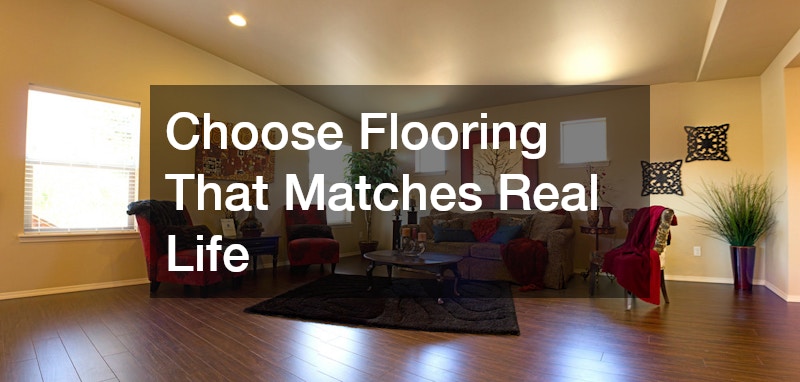
Choose Flooring That Matches Real Life
Flooring is one of the most used surfaces in your home, so it needs to balance style with durability. The wrong choice can lead to constant maintenance and frustration.
Different areas require different materials. High-traffic spaces need durability, while quieter areas can focus more on comfort and appearance.
An epoxy flooring service is a strong option for spaces like garages, basements, or even modern interiors. It is resistant to stains, moisture, and wear, while offering a clean, polished look.
The key is to think long-term. Flooring should hold up to daily use while still fitting into your design. It should be easy to clean, comfortable to walk on, and consistent with the rest of your home.
When flooring is chosen correctly, it ties everything together. It creates flow between rooms and supports how your home is used every day.
Make Comfort a Core Design Priority
A beautiful home that is uncomfortable will never feel right. Comfort should always be part of your design decisions, especially when it comes to temperature control.
Working with a Heating service ensures your system runs efficiently and keeps your home comfortable year-round. Modern systems can be integrated into your design without being intrusive.
Partnering with a reliable heating oil company also ensures consistent performance. Reliable heating is not just about comfort. It protects your home from issues like frozen pipes and long-term damage.
Comfort goes beyond temperature. It includes airflow, insulation, and overall environment. When these elements are handled properly, your home feels stable and inviting.
Design is not just about what you see. It is about how your home feels every day.
Address Water Systems Before They Become Problems
Water systems are easy to ignore until something goes wrong. But in home design, they should be addressed early to avoid disruptions later.
Scheduling water pump repairs ensures consistent water pressure and reliable performance. This is especially important if you are planning upgrades like new bathrooms, kitchens, or outdoor features.
Water systems affect more than functionality. They influence design possibilities. Without proper pressure and flow, certain features simply will not work as intended.
Handling these systems early prevents delays and protects your investment. It also ensures that your home runs smoothly behind the scenes.
A well-designed home is not just about appearance. It is about having systems that support everything you build.
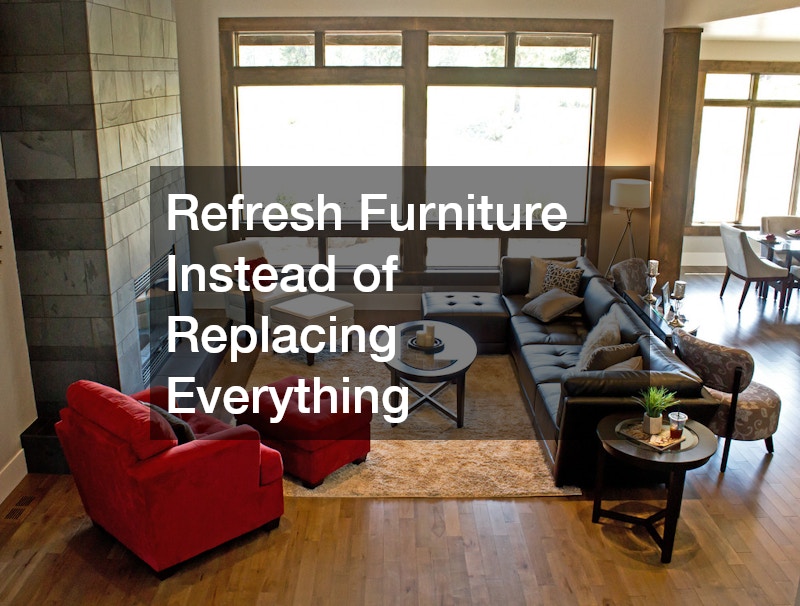
Refresh Furniture Instead of Replacing Everything
Furniture plays a huge role in how your home looks and feels, but replacing everything is not always necessary. Small upgrades can make a big difference.
Using custom sofa cushion replacement allows you to update comfort and appearance without buying new furniture. This is a practical and cost-effective way to refresh your space.
It also helps maintain pieces you already like while improving how they function. Better support, updated fabrics, and improved comfort can completely change how a room feels.
Furniture should fit your space, not overwhelm it. Scale, placement, and comfort all matter. When chosen carefully, furniture supports both design and daily use.
Small changes often have the biggest impact.
Connect Indoor and Outdoor Living
Modern home design focuses on creating a connection between indoor and outdoor spaces. This expands your living area and improves overall flow.
Large openings, consistent materials, and thoughtful layouts help create that connection. Outdoor spaces should feel like an extension of your interior, not a separate area.
Using features like patio door replacements helps bring in light and create easy access between spaces. This makes your home feel larger and more open.
Outdoor design should include seating, lighting, and layout just like your interior. When both areas are designed together, they feel cohesive.
Blending indoor and outdoor living creates a more flexible and enjoyable home environment.
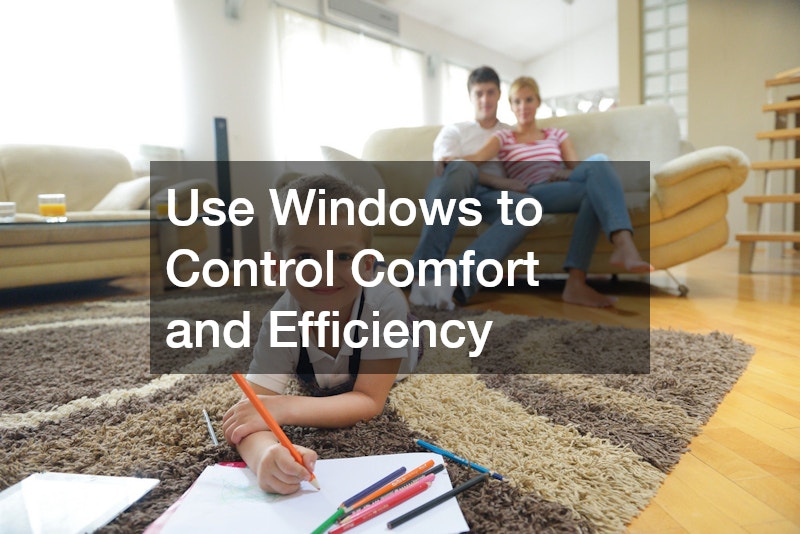
Use Windows to Control Comfort and Efficiency
Windows do more than provide a view. They directly impact temperature, lighting, and energy efficiency inside your home. Poor window performance can lead to uncomfortable rooms, higher energy bills, and uneven temperatures throughout your space.
One of the simplest ways to improve this without replacing windows entirely is through window tinting services. This helps regulate heat from the sun, reduces glare, and protects furniture and flooring from fading. It allows you to keep natural light while improving comfort, which is a major win in both design and functionality.
Strategic window placement is just as important. Large windows in living areas can open up a space, while smaller, well-placed windows in bedrooms can create a more controlled and restful environment. It is not just about size. It is about placement, direction, and purpose.
You also want to think about airflow. Windows that allow cross-ventilation can naturally cool your home and reduce reliance on mechanical systems. That adds both comfort and efficiency.
When windows are treated as part of the design instead of an afterthought, they become one of the most powerful tools in your home. They shape light, control temperature, and influence how every room feels.
A well-designed home uses windows intentionally, not just structurally. That shift in thinking makes a noticeable difference in both comfort and long-term performance.
Think Holistically About Home Systems
A well-designed home is not just about what you see. It is about how everything works together behind the scenes. Heating, water, airflow, and structural systems all need to function properly for your home to feel complete.
Working with a reliable Heating service ensures your system runs efficiently and supports consistent comfort. Temperature fluctuations, poor airflow, and outdated systems can make even the best-designed spaces feel uncomfortable.
At the same time, your water systems need to be just as reliable. Addressing issues early with repairs to your water pump prevents disruptions and ensures consistent pressure throughout your home. This is especially important if you are incorporating features like upgraded bathrooms or outdoor spaces.
Fuel supply also plays a role in overall system performance. Working with a dependable company that provides heating oil ensures that your heating system operates without interruption, especially during colder months.
When all of these systems are aligned, your home feels stable and predictable. You are not dealing with sudden issues or inconsistent performance. Everything works together the way it should.
This kind of planning often goes unnoticed, but it makes a huge difference in daily life. A home that functions well is one that feels comfortable, efficient, and easy to live in.
Good design is not just visual. It is operational. When your systems are working together, your home truly supports you.

Balance Aesthetics With Long-Term Durability
A lot of design decisions are made based on appearance alone, but that approach rarely holds up over time. Your home needs to look good, but it also needs to handle real life. Durability should always be part of the equation.
This is especially true when it comes to surfaces like floors. Choosing something like a flooring service for high-traffic or utility areas provides a clean look while standing up to wear and tear. It resists stains, moisture, and damage in a way many traditional materials cannot.
The same mindset should apply throughout your home. Countertops, cabinetry, fixtures, and finishes should all be selected with both style and longevity in mind. If something looks great but cannot handle daily use, it will quickly become a problem.
Durable design does not mean sacrificing aesthetics. It means choosing materials that maintain their appearance over time. It also means reducing maintenance so your home stays clean and functional without constant effort.
When you strike the right balance, your home continues to look good years down the line. You are not constantly repairing, replacing, or adjusting. Everything works as intended.
Design is not just about the initial result. It is about how your home performs over time. When durability is part of your decisions, your space remains consistent, reliable, and far more enjoyable to live in.
Bring Everything Together With Intentional Design
Home design is about more than individual choices. It is about how everything works together. Every element, from structure to furniture, plays a role in the final result.
Working with the right professionals, planning ahead, and focusing on function ensures that your home is not just visually appealing but also practical.
From consulting a local house inspector to working with a local house inspector, each step contributes to a better outcome.
When everything is aligned, your home becomes more than just a place to live. It becomes a space that supports your life, reflects your style, and adapts over time.
That is what good design actually looks like.