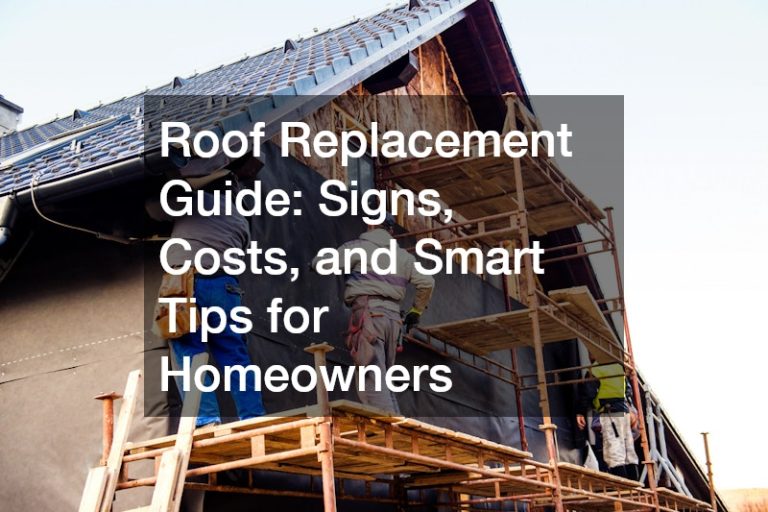
If you are a homeowner, understanding roof replacement is very important. Your roof protects your home from rain, wind, heat, and cold. Over time, even the best roofs wear out and need to be replaced. Knowing when to replace your roof and what to expect can help you avoid bigger problems and save money in the long run.
What Is Roof Replacement?
Roof replacement means removing your old roof and installing a new one. This is different from simple repairs, which only fix small areas. A full replacement ensures your entire roof is strong and secure.
When Is Replacement Needed?
Not every roof needs to be replaced right away. However, there are clear signs that it may be time.
Common Warning Signs
- Missing or broken shingles
- Leaks or water stains inside your home
- Sagging areas on the roof
- Mold or moss growth
- Roof age over 20–25 years
If you notice any of these issues, it is a good idea to have a professional inspection.
Types of Roofing Materials
Choosing the right material is a key part of roof replacement.
Asphalt Shingles
This is the most common roofing material.
Benefits
- Affordable
- Easy to install
- Available in many styles and colors
Metal Roofing
Metal roofs are becoming more popular for their durability.
Advantages
- Long lifespan
- Energy-efficient
- Resistant to harsh weather
Tile Roofing
Tile roofs are known for their unique look and strength.
Features
- Long-lasting
- Fire-resistant
- Great for warm climates
Wood Shingles and Shakes
These offer a natural and rustic appearance.
Pros
- Attractive design
- Eco-friendly option
They do require more maintenance than other materials.
Benefits of Roof Replacement
Replacing your roof may seem like a big project, but it comes with many benefits.
Improved Safety
A new roof protects your home from leaks and structural damage.
Better Energy Efficiency
Modern roofing materials can help keep your home cooler in summer and warmer in winter.
Increased Home Value
A new roof can boost your property value and make your home more appealing to buyers.
Peace of Mind
Knowing your roof is in good condition helps you feel more secure.
The Roof Replacement Process
Understanding the steps can help you feel more prepared.
Step 1: Inspection
A roofing professional will assess your current roof and recommend the best solution.
Step 2: Choosing Materials
You will select the type and style of roofing material that fits your needs and budget.
Step 3: Removing the Old Roof
The old roofing materials are removed to prepare for the new installation.
Step 4: Installation
The new roof is installed, including underlayment, shingles, and flashing.
Step 5: Cleanup and Final Check
The area is cleaned, and the contractor ensures everything is properly installed.
How Much Does Roof Replacement Cost?
The cost of roof replacement can vary widely.
Factors That Affect Cost
- Size of your roof
- Type of materials used
- Labor costs
- Location of your home
- Complexity of the roof design
Average Price Range
Most homeowners can expect to pay several thousand dollars. While this may seem expensive, it is a long-term investment in your home.
How to Choose the Right Roofing Contractor
Selecting the right contractor is just as important as choosing the right materials.
Look for Experience
Choose a contractor with a proven track record in roof replacement.
Check Reviews and References
Customer reviews can give you insight into the quality of work.
Verify Licensing and Insurance
Make sure the contractor is properly licensed and insured to protect yourself.
Get Multiple Quotes
Comparing estimates helps you find the best value for your budget.
Tips to Prepare for Roof Replacement
Getting ready for a roof replacement can make the process smoother.
Clear the Area
Move vehicles, outdoor furniture, and decorations away from your home.
Protect Your Belongings
Cover items in your attic to keep them safe from dust and debris.
Inform Your Neighbors
Let your neighbors know about the project since it may be noisy.
How to Maintain Your New Roof
Once your new roof is installed, proper care can extend its life.
Regular Inspections
Check your roof at least once a year for signs of damage.
Clean Gutters
Keeping gutters clear prevents water buildup.
Remove Debris
Leaves and branches can trap moisture and cause damage.
Schedule Professional Checkups
A professional inspection every few years can catch small issues early.
Common Mistakes to Avoid
Avoiding these mistakes can save you time and money.
Delaying Replacement
Waiting too long can lead to more serious damage and higher costs.
Choosing the Cheapest Option
Low-cost materials or labor may not provide long-lasting results.
Ignoring Maintenance
Even a new roof needs regular care to stay in good condition.
Final Thoughts
A strong and reliable roof is essential for every home. Investing in roof replacement ensures your home stays protected, comfortable, and valuable for years to come. While the process may seem overwhelming at first, understanding your options and working with a trusted professional can make it much easier.
If you notice signs of damage or your roof is getting older, now is the time to take action. A well-planned roof replacement not only improves your home’s appearance but also provides long-term peace of mind.
© Good Family Home Tips | Sitemap