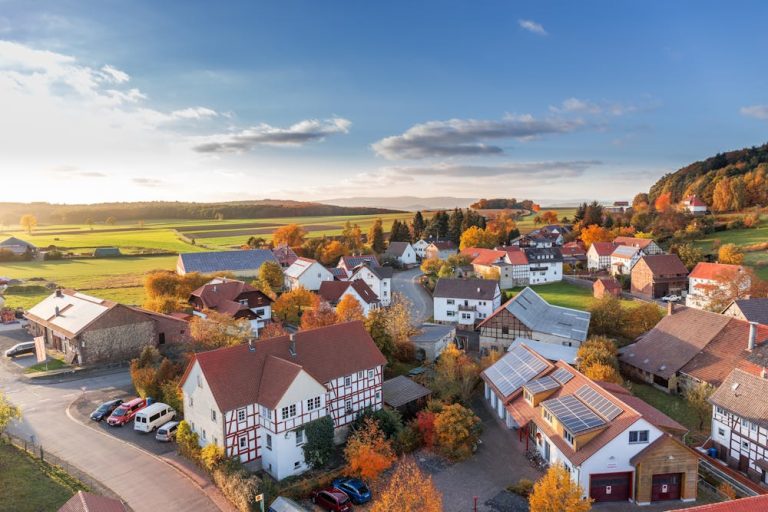
- Planning and site orientation are crucial for maximizing energy efficiency and reducing long-term costs.
- Using eco-friendly, durable building materials improves sustainability and reduces maintenance expenses.
- Energy-efficient designs, insulation, and high-performance windows lower utility bills significantly.
- Integrating renewable energy systems like solar panels and geothermal heating cuts reliance on traditional energy sources.
- Water-saving fixtures, rainwater harvesting, and greywater systems conserve water and reduce utility costs.
- Smart home technology allows homeowners to monitor and optimize energy use for further savings.
- Sustainable homes increase property value while providing long-term environmental and financial benefits.
Sustainable homes are no longer just a trend—they are becoming a practical solution for homeowners who want to reduce environmental impact while lowering long-term costs. Rising energy prices, climate concerns, and improved green technologies have pushed more people to rethink how homes are built and operated. A sustainable home focuses on efficiency, responsible material choices, and systems that minimize waste while maximizing comfort.
Building a sustainable home that saves energy and money requires thoughtful planning from the beginning. From selecting the right building materials to installing efficient energy systems, each decision can significantly affect long-term operating costs. When done correctly, a sustainable home can reduce utility bills, improve indoor comfort, and increase property value.
This guide explores the key steps homeowners can take to create a sustainable home that balances environmental responsibility with financial savings.
What Does a Sustainable Home Really Mean?
A sustainable home is designed to minimize environmental impact while maximizing efficiency, durability, and comfort. Instead of focusing solely on aesthetics, sustainable construction emphasizes smart resource use, energy efficiency, and long-lasting materials. The goal is to create a living space that uses fewer natural resources while maintaining a high standard of living.
These homes are built with long-term sustainability in mind. That means reducing energy consumption, conserving water, and using materials that have minimal environmental impact. A sustainable home also considers how the building interacts with its surroundings, such as sunlight exposure, natural ventilation, and local climate conditions.
Key Characteristics of Sustainable Homes
Several features define a truly sustainable home:
- Energy-efficient building design
- High-performance insulation and windows
- Renewable energy systems
- Water conservation systems
- Eco-friendly building materials
- Durable and low-maintenance construction
Each of these elements contributes to reducing operating costs while lowering environmental impact.
Why Sustainable Homes Are Increasing in Demand
Homeowners today are more aware of the environmental and financial benefits of sustainability. Rising utility costs make energy-efficient homes particularly attractive. By lowering energy use, homeowners can significantly reduce monthly expenses.
Additionally, sustainable homes often have higher resale value. Buyers increasingly prioritize efficiency and eco-friendly design when purchasing property. As sustainability becomes more mainstream, these homes offer long-term advantages both financially and environmentally.
Why Building a Sustainable Home Saves Energy and Money
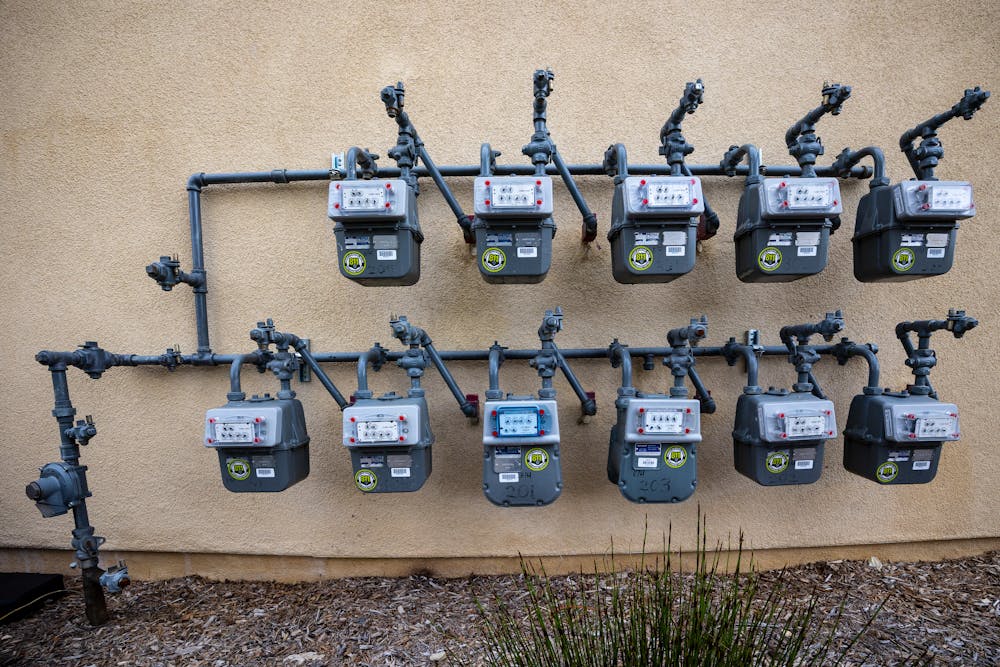
Building sustainably may involve higher upfront planning and construction considerations, but the long-term savings often outweigh the initial investment. Energy-efficient systems, durable materials, and efficient designs significantly reduce operating expenses over time.
Energy costs represent one of the largest ongoing expenses for homeowners. A sustainable home is designed to minimize energy consumption through insulation, efficient appliances, and renewable energy sources. These features work together to reduce reliance on traditional energy sources and cut monthly utility bills.
Lower Utility Bills
One of the most immediate benefits of sustainable homes is reduced energy consumption. Efficient insulation, smart thermostats, and modern HVAC systems help maintain comfortable indoor temperatures while using less energy.
This translates into lower monthly costs for electricity, heating, and cooling.
Reduced Maintenance Costs
Sustainable homes often use durable materials designed to last longer and require fewer repairs. Examples include fiber cement siding, metal roofing, and composite decking.
Over time, homeowners spend less on maintenance and replacement costs.
Long-Term Property Value
Homes designed with sustainability in mind tend to attract more buyers. Energy efficiency certifications and green building features can increase property value.
As energy efficiency standards become more common, sustainable homes may also become the preferred option in the housing market.
Smart Planning: The First Step to Building a Sustainable Home
Planning is one of the most critical phases when building a sustainable home. Decisions made early in the design process determine how efficiently the home will perform for decades. A well-planned home maximizes natural resources, minimizes waste, and ensures that energy systems operate efficiently.
Sustainable home planning includes site selection, orientation, and architectural design. Positioning the house to take advantage of natural sunlight can significantly reduce heating and lighting needs. Good design can also improve ventilation and reduce the need for mechanical cooling.
Site Selection and Orientation
Where and how a home sits on its property play a significant role in energy efficiency. Proper orientation allows homeowners to capture natural sunlight during winter while minimizing heat gain in summer.
Key planning strategies include:
- Positioning large windows toward the sun for natural lighting
- Using landscaping for natural shading
- Designing rooflines for solar panel installation
- Considering local climate conditions
These design decisions can dramatically reduce energy consumption.
Efficient Home Layout
The layout of the home also affects energy efficiency. Compact floor plans reduce heat loss and make heating and cooling systems more efficient.
Strategic room placement can also maximize natural lighting and airflow. For example, living spaces can be placed where sunlight is strongest, while utility rooms can be located in less exposed areas.
How to Build a Sustainable Home with Energy-Efficient Materials
Choosing the right building materials plays a major role in sustainability. Materials influence insulation, durability, environmental impact, and maintenance requirements. Sustainable materials help reduce energy consumption while minimizing waste and pollution during construction.
Eco-friendly materials also improve indoor air quality by reducing harmful chemicals often found in traditional building products. Over time, these materials contribute to healthier living environments while reducing maintenance and repair costs.
Sustainable Building Materials to Consider
Some commonly used sustainable materials include:
- Reclaimed wood
- Bamboo flooring
- Recycled steel
- Low-VOC paints and finishes
- Recycled insulation materials
- Cork flooring
These materials reduce environmental impact while maintaining high performance and durability.
Benefits of Eco-Friendly Construction Materials
Using sustainable materials offers several advantages:
- Lower environmental footprint
- Improved indoor air quality
- Greater durability and longevity
- Reduced construction waste
- Better energy efficiency
When selecting materials, homeowners should consider both environmental impact and long-term performance.
Designing for Energy Efficiency
Energy-efficient design is one of the most effective ways to reduce energy consumption in a home. Instead of relying solely on mechanical systems, sustainable homes use architectural design to maintain comfortable indoor temperatures naturally.
Good energy-efficient design reduces the need for heating, cooling, and artificial lighting. This not only lowers energy bills but also extends the lifespan of mechanical systems by reducing their workload.
Passive Design Strategies
Passive design uses natural elements such as sunlight, shade, and airflow to regulate indoor temperatures.
Examples include:
- Strategic window placement
- Thermal mass materials
- Natural ventilation systems
- Roof overhangs for shading
- Reflective roofing materials
These features work together to maintain comfortable indoor temperatures with minimal energy use.
High-Performance Windows and Insulation
Windows and insulation play a crucial role in preventing energy loss. Poor insulation allows heat to escape during winter and enter during summer, forcing HVAC systems to work harder.
Key upgrades include:
- Double or triple-pane windows
- Energy-efficient window coatings
- Spray foam insulation
- Insulated doors and walls
These improvements help maintain stable indoor temperatures year-round.
Renewable Energy Systems for Sustainable Homes
Renewable energy technologies allow homeowners to generate their own electricity while reducing reliance on traditional energy sources. Advances in solar and renewable systems have made these solutions more affordable and accessible than ever before.
Integrating renewable energy into a sustainable home reduces long-term utility costs and protects homeowners from rising energy prices. In many cases, government incentives and rebates also help offset installation costs.
Solar Energy Systems
Solar panels are one of the most popular renewable energy solutions for homeowners. They convert sunlight into electricity that can power the entire home.
Benefits of solar systems include:
- Reduced electricity bills
- Lower carbon emissions
- Energy independence
- Increased home value
Battery storage systems can also store excess energy for later use.
Other Renewable Energy Options
In addition to solar power, homeowners can explore other renewable solutions, such as:
- Wind turbines
- Geothermal heating systems
- Solar water heaters
The best option often depends on location, climate, and property size.
Water Conservation Strategies for Sustainable Living
Water conservation is another key component of sustainable home design. Efficient water use reduces utility costs and protects local water resources. As climate patterns change and water supplies become more unpredictable, conserving water has become increasingly important.
Sustainable homes incorporate systems that reduce water waste while maintaining convenience and functionality. Many of these systems are simple upgrades that can significantly lower monthly water bills.
Water-Saving Fixtures and Appliances
Modern fixtures are designed to use less water without sacrificing performance.
Examples include:
- Low-flow toilets
- Water-efficient showerheads
- Smart irrigation systems
- High-efficiency washing machines
- Sensor-based faucets
These upgrades reduce water consumption without affecting daily routines.
Rainwater Harvesting and Greywater Systems
Some sustainable homes also include systems that collect and reuse water.
Rainwater harvesting systems capture water from roofs and store it for irrigation or outdoor use. Greywater systems recycle water from sinks and showers for landscaping.
These systems reduce demand on municipal water supplies while lowering water bills.
Smart Home Technology for Energy Savings
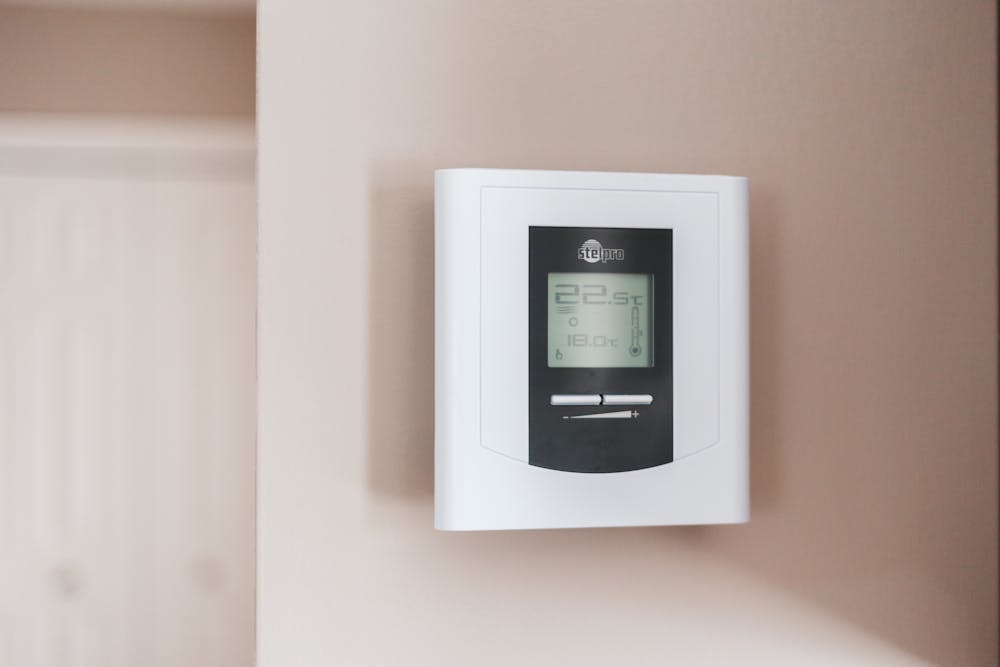
Smart home technology plays an increasingly important role in sustainable living. Automated systems allow homeowners to monitor and control energy consumption more effectively. These technologies help identify waste, optimize energy use, and maintain comfortable indoor environments.
Smart systems also provide real-time data that allows homeowners to make informed decisions about energy usage. By adjusting lighting, heating, and appliance schedules, homeowners can reduce energy waste and lower monthly bills.
Smart Devices That Improve Efficiency
Several smart home devices contribute to energy savings:
- Smart thermostats
- Automated lighting systems
- Energy monitoring systems
- Smart appliances
- Motion sensor lighting
These systems help ensure that energy is used only when necessary.
Automation and Energy Monitoring
Energy monitoring systems track electricity usage throughout the home. Homeowners can identify which appliances consume the most energy and adjust usage accordingly.
Automation also ensures systems operate efficiently even when homeowners are away.
Long-Term Benefits of Sustainable Homeownership
Sustainable homes offer long-term benefits that extend beyond energy savings. While the upfront planning and design process may require additional effort, the long-term rewards make it worthwhile. Homeowners benefit from improved comfort, lower maintenance costs, and reduced environmental impact.
As energy efficiency becomes a greater priority in construction and real estate markets, sustainable homes are likely to become even more valuable. Buyers are increasingly looking for properties that offer lower operating costs and environmentally responsible design.
Environmental Impact
Sustainable homes significantly reduce carbon emissions and resource consumption. By using less energy and water, homeowners help protect natural ecosystems and reduce pollution.
Over time, these individual choices contribute to larger environmental improvements.
Financial Advantages
Financial benefits include:
- Lower monthly utility bills
- Reduced maintenance expenses
- Potential tax incentives
- Higher resale value
These savings often accumulate over decades, making sustainable homes a smart financial investment.
Conclusion
Building a sustainable home that saves energy and money requires thoughtful planning, efficient design, and the right technology. By focusing on energy efficiency, renewable energy, water conservation, and durable materials, homeowners can create living spaces that are both environmentally responsible and financially practical.
Sustainable homes provide long-term comfort while reducing environmental impact. Lower energy consumption, reduced maintenance costs, and increased property value make sustainable construction a wise investment for the future.
As technology continues to advance and sustainability becomes a priority in modern construction, building an energy-efficient home is no longer just an environmental choice—it is also a smart financial decision.