
When most people think about home remodeling, their minds immediately jump to aesthetic upgrades: sleek quartz countertops, fresh coats of paint, or stunning new tile patterns. While boosting your property’s curb appeal and market value is certainly a welcome perk, the benefits of a well-planned renovation extend far deeper than surface-level beauty. In fact, one of the most profound—and often overlooked—reasons to renovate your living space is the dramatic impact it can have on your family’s everyday health, safety, and overall hygiene.
Over time, homes accumulate invisible wear and tear that can compromise the cleanliness of your environment. Aging building materials degrade, trapping dust, pet dander, and microscopic allergens that standard cleaning routines simply cannot eradicate. Moisture seeps into hidden spaces, fostering mold growth, while outdated storage solutions create cluttered environments where dirt and bacteria thrive. By thoughtfully redesigning both the interior and exterior of your home, you eliminate these underlying hazards and build a fresh foundation for wellness. A comprehensive remodel allows you to replace high-maintenance, porous surfaces with non-toxic, non-porous materials, optimize ventilation, and streamline day-to-day cleaning. The result is a living space that actively supports your physical well-being, providing clean air, purified water, and an environment where your family can truly thrive.
Replacing Worn Materials That Harbor Dirt and Allergens
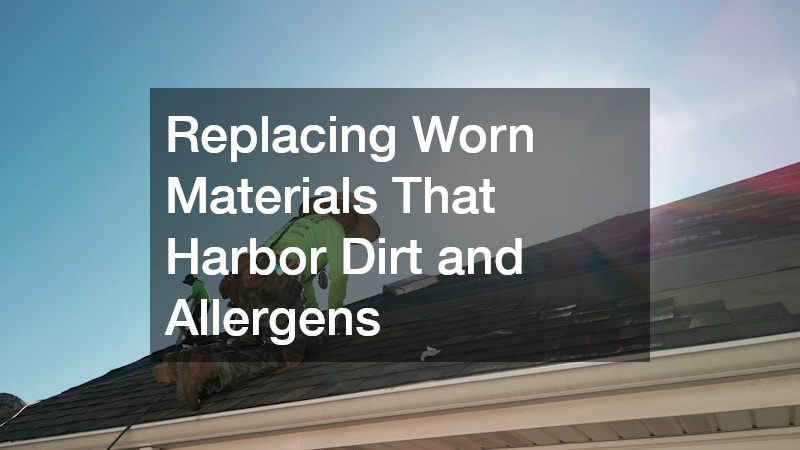
The outer envelope of your home serves as your first line of defense against environmental pollutants, moisture, and pests. Over time, however, roofing materials, siding, and exterior trim begin to deteriorate due to continuous exposure to rain, wind, and fluctuating temperatures. When shingles crack, warp, or lose their protective granules, they allow water to seep into the roof decking and attic space. This trapped moisture creates an ideal breeding ground for toxic mold, mildew, and rot, which can quickly migrate down into your walls and indoor living spaces, severely compromising your indoor air quality.
Old, decaying roofing systems can also trap organic debris, such as rotting leaves and pine needles, creating damp environments where bacteria and pests flourish. Insects and small rodents can easily exploit tiny gaps in a compromised roof, bringing unwanted pathogens into your home. Partnering with a certified local roofing contractor ensures that compromised sheathing and worn-out shingles are replaced with high-performance, weather-resistant materials. A newly installed, properly ventilated roof prevents water intrusion, blocks mold spores from infiltrating your attic, and keeps your entire home’s structural framework dry, clean, and healthy for years to come.
Modernizing Outdoor Features for Better Hygiene and Safety
Outdoor living spaces are meant for relaxation and recreation, but aging backyard amenities can quietly turn into hygiene liabilities. Older concrete patios, deteriorating pool decks, and weathered wooden structures tend to develop fine cracks and porous surfaces over time. These microscopic fissures collect stagnant water, dirt, and organic matter, creating slippery algae growth and bacteria hotspots. Furthermore, cracked surfaces present severe trip hazards for children and older family members, turning what should be a peaceful sanctuary into a safety risk.
Modernizing your backyard amenities addresses these safety concerns while drastically reducing the maintenance required to keep the space clean. Upgrading outdated decking with non-porous composite materials or smooth, sealed stone prevents moisture absorption and resists fungal growth. Additionally, updating your swimming pool area with modern coping and slip-resistant surfaces ensures that splash-out water drains away effectively rather than pooling in dirty crevices. Enlisting an expert pool remodeling specialist allows you to redesign your outdoor oasis with hygienic, easy-to-clean materials that withstand the elements, ensuring your family can enjoy outdoor recreation in a safe, sanitary, and low-maintenance environment.
Improving Water Quality With Updated Pool Surfaces and Systems
A swimming pool is a centerpiece of backyard enjoyment, but maintaining crystal-clear, sanitary water requires modern infrastructure. Older pools often feature rough, degraded plaster finishes that are highly porous. These tiny pits and rough patches absorb minerals, oils, and organic debris, creating deep-seated pockets where stubborn black algae and harmful bacteria can hide from standard chemical treatments. As a result, homeowners often find themselves forced to use excessive amounts of harsh chemicals like chlorine just to keep the water clear, leading to skin irritation, eye discomfort, and unpleasant chemical odors.
Renovating your pool’s interior surface with smooth, non-porous materials—such as high-grade quartz, pebble finishes, or custom tile—eliminates the microscopic hiding places where algae takes root. Beyond surface aesthetics, updating the underlying mechanical systems transforms water quality. Modern variable-speed pumps, advanced filtration systems (like glass media or micro-cartridge filters), and UV or salt-water sanitizers dramatically improve water circulation and purification efficiency. Consulting a reputable pool remodeling company helps you transition away from heavy chemical reliance toward energy-efficient, automated sanitization systems, delivering clean, sparkling water that is gentle on the skin and completely safe for your loved ones.
Upgrading Storage for a More Sanitary Kitchen
The kitchen is undoubtedly the heart of the home, but it is also the room most susceptible to food residue, grease, and bacterial buildup. Standard kitchen layouts often suffer from inadequate or poorly planned storage solutions, leading to overcrowded counters packed with appliances, food containers, and daily clutter. When countertops remain cluttered, thorough wiping and sanitizing become tedious tasks, causing crumbs, spilled liquids, and fine grease particles to accumulate behind items and along backsplashes, attracting ants and other unwanted pests.
Investing in an upgraded storage system resolves this issue by providing dedicated space for every kitchen necessity. Modern cabinetry designs incorporate deep pull-out drawers, built-in spice racks, dedicated appliance garages, and custom pantry organizers that instantly clear your counters. When countertops are kept free of obstruction, wiping down food preparation surfaces becomes effortless, preventing cross-contamination during meal prep. Incorporating high-quality kitchen cabinet installations ensures that your storage solutions feature easy-to-clean, non-porous surfaces and soft-close mechanisms that eliminate dust-collecting crevices, transforming your cooking environment into an organized, highly sanitary space.
Redesigning Cabinet Layouts to Simplify Cleaning
In many older kitchens, cabinet layouts feature tight corners, awkward gaps between appliances, and open spaces above wall units that trap grease and airborne dust. These hard-to-reach areas are notoriously difficult to clean, often gathering thick layers of sticky grime that can harbor bacteria and emit unpleasant odors over time. Furthermore, outdated frameless or poorly fitted cabinets often leave tiny gaps along walls and baseboards where food crumbs can fall, creating hidden feeding grounds for household pests.
Redesigning your kitchen layout allows you to eliminate these structural dirt traps entirely. Extending cabinets all the way to the ceiling prevents dust from settling on top of wall units, while full-overlay panel doors minimize exposed frame edges where grease usually collects. Integrating custom corner solutions, such as lazy Susans or blind-corner pull-out trays, ensures that every square inch of internal storage is fully accessible and easy to wipe down. Working with a professional kitchen cabinet business enables you to create an ergonomic, seamless layout tailored specifically to your workflow, making everyday kitchen cleanup faster, more thorough, and far less demanding.
Installing Flooring That Supports a Healthier Indoor Environment
Flooring covers the largest surface area in your home, making its material composition a critical factor in your indoor air quality and overall cleanliness. Traditional wall-to-wall carpeting is notorious for acting as a massive sink for environmental toxins, capturing pet dander, dust mites, pollen, tracked-in soil, and chemical residue deep within its fibers. Even with regular vacuuming, these microscopic particles remain trapped, only to be kicked up into the breathing zone whenever someone walks across the room, aggravating respiratory conditions and seasonal allergies.
Replacing outdated carpets with modern hard-surface flooring completely changes the dynamic of indoor hygiene. Hard surface floors do not harbor dust mites or absorb liquid spills, preventing the formation of deep-seated odors and subfloor mold growth. Options like luxury vinyl plank flooring offer an exceptional combination of realistic wood aesthetics, complete waterproof protection, and extreme durability. Because these floors feature tight, factory-sealed joints and a smooth surface, dust and allergens remain on top where they can be quickly swept or micro-mopped away, ensuring your home maintains a cleaner, allergen-free atmosphere with minimal effort.
Improving Landscape Drainage to Reduce Moisture Issues
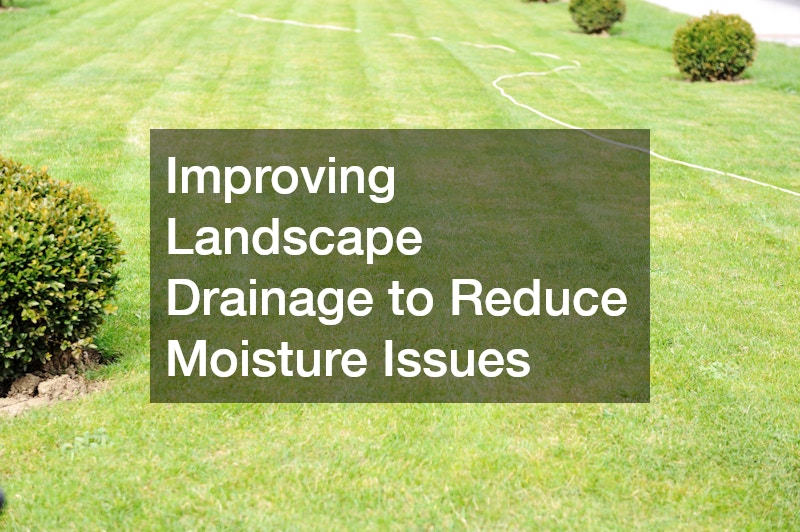
Maintaining a healthy indoor environment requires controlling the water around your home’s exterior foundation. Poor yard grading, misdirected downspouts, and compacted soil can cause rainwater to pool near your home’s foundation walls. Over time, hydrostatic pressure forces this standing water through minute cracks in basement walls or crawl spaces, causing structural dampness, high indoor humidity levels, and wood rot. Damp basements and subfloors quickly become breeding grounds for hazardous molds, whose spores travel upward through your living space via natural airflow.
Upgrading your property’s landscape drainage system effectively intercepts groundwater and directs storm runoff away from your foundation. Solutions such as subsurface French drains, catch basins, subterranean downspouts, and rain gardens ensure that heavy rainfall flows safely off your property. Additionally, integrating smart landscape design with a customized lawn irrigation installation prevents oversaturation of soil near your home while delivering precise hydration to your plant beds. By keeping your yard properly drained and managing moisture levels surrounding your foundation, you effectively protect your indoor air quality and eliminate the primary source of basement mold and structural dampness.
Creating Cleaner Outdoor Living Spaces With Durable Surfaces
Outdoor patios, walkways, and seating areas are constantly exposed to dirt, mud, fallen leaves, and weather elements. When these surfaces are constructed from loose materials like gravel or poorly laid pavers, they easily become messy, muddy, and overgrown with weeds during rainy seasons. Mud and outdoor debris are then easily tracked inside on shoes and pet paws, bringing dirt, lawn chemicals, and natural allergens straight into your pristine living areas, increasing your cleaning workload and compromising indoor floor hygiene.
Creating a clean outdoor living environment involves investing in engineered, low-maintenance hardscaping solutions that stay dry and mud-free year-round. Smooth, non-porous concrete pavers, natural granite slabs, or porcelain outdoor tiles create flat, cohesive surfaces that do not trap mud or support weed growth. These materials can be easily swept, hosed down, or power-washed to remove pollen, dust, and food spills from outdoor dining. Hiring an experienced hardscaping contractor ensures that your new patio or walkway is built over a properly compacted aggregate base with integrated drainage slopes, preventing standing water and ensuring your outdoor entertainment zones remain clean, safe, and beautifully integrated with your home.
Enhancing Indoor Comfort With Better Air Sealing and Insulation
Many older homes suffer from invisible leaks around windows, doors, attic access hatches, and electrical outlets, along with insufficient insulation inside exterior walls. These drafty gaps cause what building scientists call the “stack effect”—unconditioned air from dusty basements and dirty attic spaces is drawn upward into your living area, carrying insulation fibers, pollen, pest droppings, and outdoor pollutants directly into the air you breathe. Furthermore, air leaks allow outdoor humidity to enter, causing moisture imbalances that encourage mold growth inside wall cavities.
Comprehensive air sealing paired with thermal insulation upgrades effectively closes off these unwanted pathways, creating a controlled indoor environment. Sealing cracks with expanding foam and caulking, combined with adding blown-in cellulose or spray foam insulation, forms a continuous thermal and air barrier around your home. Contracting a licensed insulation contractor helps you identify critical leakage points using specialized diagnostic tools like blower door tests. Once sealed and insulated, your home maintains consistent temperatures, relies less on heating and cooling systems, keeps airborne outdoor allergens outside, and preserves clean, balanced air in every room.
Restoring Damaged Areas to Improve Overall Home Health
Even the best-maintained homes can fall victim to unexpected damage, such as plumbing leaks, roof leaks, or minor localized flooding. When water impacts drywall, wood trim, subflooring, or cabinetry, swift action is essential. Simply wiping up visible standing water is rarely enough; moisture quickly absorbs into porous building materials, creating invisible pockets of decay within wall cavities and under floorboards within 24 to 48 hours. Ignoring hidden moisture leads to lingering musty odors, structural weakening, and severe mold contamination that spreads rapidly through your HVAC ductwork.
Restoring damaged areas through targeted structural repairs is critical for safeguarding overall home health. Proper restoration involves removing ruined, porous materials, thoroughly drying out structural framing using industrial dehumidifiers, and treating affected zones with antimicrobial solutions before installing brand-new building supplies. Partnering with a professional home restoration expert ensures that moisture damage is identified, remediated, and fully repaired using modern, healthy materials. Restoring compromised structural components eliminates hidden health hazards at their source, restoring structural integrity and guaranteeing that your living space remains a clean, safe haven for your family.
Home remodeling is far more than an aesthetic exercise—it is a proactive investment in your family’s daily health and overall quality of life. By addressing structural vulnerabilities, upgrading outdated materials, and modernizing both indoor and outdoor spaces, you eliminate hidden allergens, moisture traps, and hygiene hazards. From structural roof repairs and advanced pool filtration to easy-to-clean floor surfaces and sealed wall systems, every renovation project contributes to a fresher, safer home. Transforming your living space today ensures that your home remains not only visually stunning, but also a pristine, healthy sanctuary where you and your loved ones can flourish for years to come.