A backyard is more than just an outdoor area; it is an extension of your home where you can relax, entertain, and connect with nature. A well-designed backyard balances aesthetics and functionality, offering spaces for social gatherings, quiet retreats, and outdoor activities. This guide provides detailed, actionable strategies to help you transform your backyard into a space that is both beautiful and practical, while also offering insights on when professional assistance can make a significant difference.
Planning Your Backyard Layout
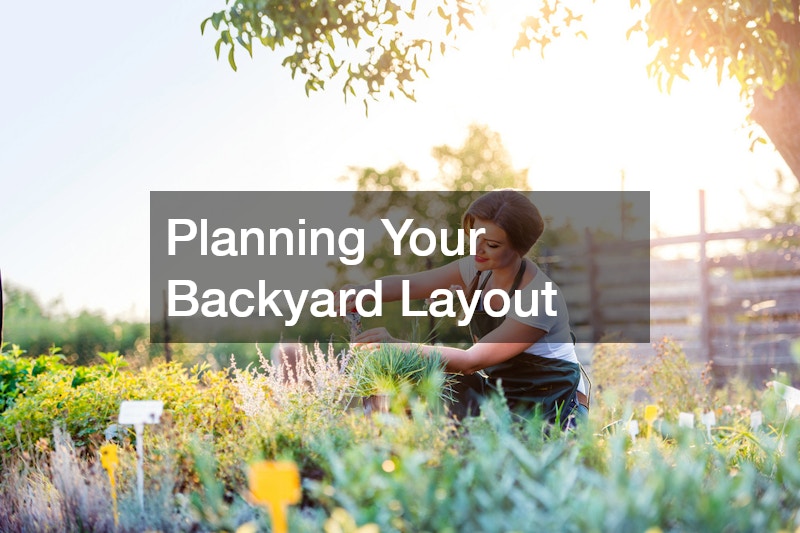
Before adding features, furniture, or plants, it is essential to begin with a clear, comprehensive plan for your backyard. A thoughtful plan serves as a roadmap, helping you make informed decisions and avoid costly mistakes during the transformation process. Start by assessing your backyard for sun exposure, shade patterns, soil type, and existing landscaping elements. Take note of slopes, drainage patterns, and any areas prone to flooding or erosion. Understanding these factors allows you to select plants that will thrive in specific locations, determine suitable hardscaping materials, and position functional zones like patios, play areas, and garden beds effectively.
Defining distinct zones for entertaining, relaxation, gardening, and recreational activities helps create a cohesive flow throughout the backyard. Each area should have a clear purpose while blending seamlessly with the surrounding spaces. For example, an outdoor dining area near the house may benefit from shade, while a play area should have durable turf and sufficient open space.
Incorporating landscape mulch into your design enhances both beauty and practicality. Mulch helps define pathways, separates garden beds, suppresses weeds, and maintains soil moisture. Using different mulch colors or textures can subtly highlight certain areas, add contrast, and guide the eye across the backyard.
Tips for effective layout planning:
- Sketch your backyard on paper or use a digital planning tool to visualize the layout.
- Identify high-traffic areas to prevent turf wear and designate durable surfaces for these zones.
- Plan zones considering privacy, sun exposure, and accessibility to seating or functional areas.
- Use landscape mulch to delineate planting beds, pathways, and lawn edges for a polished, organized look.
Investing time in planning ensures that every element in your backyard serves a purpose, contributes to a unified design, and creates a functional and visually appealing outdoor space that can be enjoyed for years to come.
Building Hardscape Features
Hardscaping elements like patios, walkways, retaining walls, and fire pits are essential for creating a backyard that is both visually appealing and highly functional. These features provide structure, helping to define different zones such as dining areas, lounging spaces, and garden paths. The choice of materials—whether stone, pavers, brick, or concrete—plays a significant role in both durability and aesthetic cohesion. Selecting materials that complement your home’s architectural style ensures that the backyard feels like a natural extension of your living space, rather than a separate, disconnected area.
Beyond aesthetics, hardscaping enhances usability by creating stable, even surfaces for walking, entertaining, and recreational activities. It also helps manage erosion and directs foot traffic, preventing damage to lawns or delicate plantings. However, improper installation can create serious problems, such as poor drainage, uneven surfaces, or structural instability, which can lead to costly repairs down the line.
Actionable tips for hardscaping:
- Plan drainage carefully to prevent water pooling near your home’s foundation or other structures.
- Select complementary materials for patios, walkways, and walls to ensure a cohesive look.
- Consider built-in features such as seating, fire pits, or planters for added versatility.
- Collaborate with professional hardscaping companies to guarantee proper installation, structural integrity, and long-term durability.
By prioritizing quality materials and enlisting expert guidance, your backyard hardscape becomes a visually stunning, practical, and enduring space. Well-executed hardscaping not only enhances the beauty of your backyard but also increases its usability, allowing for comfortable outdoor living, entertaining, and enjoyment for years to come.
Incorporating Planting and Greenery
Greenery is the backbone of a beautiful backyard. Selecting plants suited to your climate, soil type, and sun exposure is critical. Trees provide shade, shrubs offer privacy, and flowers add color and texture.
Mulch not only enhances the appearance of planting beds but also improves soil health and retains moisture. Scheduling local mulch delivery ensures that fresh, high-quality mulch is readily available for your planting beds, saving time and effort.
Planting strategies for a thriving backyard:
- Layer plants of varying heights and textures for depth.
- Use mulch to protect roots and retain moisture.
- Plan for seasonal changes to maintain year-round color.
- Group plants by water and sunlight requirements for efficiency.
By carefully planning your greenery and using mulch strategically, your backyard can be both visually stunning and low-maintenance.
Designing Functional Garden Areas
Functional gardens can provide food, beauty, and relaxation. Vegetable, herb, and flower gardens can coexist with recreational spaces if thoughtfully designed. A well-planned garden integrates irrigation, accessibility, and companion planting to maximize yield and aesthetic appeal.
Tips for functional gardens:
- Plan raised beds or containers for easier maintenance and soil control.
- Use pathways for accessibility and to prevent soil compaction.
- Rotate crops or plants to improve soil health and prevent pests.
- Collaborate with garden designers for professional insight on layout, plant selection, and long-term growth strategies.
Garden designers can help integrate edible and decorative plantings into your backyard seamlessly, ensuring each area serves both practical and visual purposes.
Maintaining Healthy Lawns
A healthy lawn forms the foundation of a functional backyard. Routine maintenance, including mowing, fertilization, aeration, and pest management, keeps the grass lush and resilient. Lawn health directly impacts the usability of your backyard for play, entertaining, and relaxation.
Key lawn maintenance tips:
- Mow regularly and at the recommended height for your grass type.
- Aerate soil annually to improve root growth and water absorption.
- Fertilize appropriately based on soil testing.
- Consult professional lawn care companies for seasonal treatments and pest management.
Professional guidance ensures that your lawn remains vibrant and durable, reducing the risk of patchy areas or erosion. Regular maintenance makes the backyard inviting and safe for daily use.
Installing Decks for Outdoor Living
Decks are an essential element of a well-designed backyard, offering versatile spaces for dining, entertaining, or simply relaxing outdoors. A thoughtfully planned deck not only enhances the visual appeal of your property but also extends functional living areas, creating a seamless transition between indoor and outdoor spaces. The location of a deck is critical; it should provide easy access from the home while integrating naturally with patios, walkways, and garden areas. Proper positioning also considers sun exposure, shade, and privacy, ensuring the deck remains comfortable throughout the day.
Selecting the right materials is equally important. Weather-resistant options such as treated wood, composite decking, or tropical hardwoods provide durability and minimize maintenance. Proper deck drain systems are crucial to prevent water accumulation and damage, which can compromise the structure over time. These systems ensure that rainwater and runoff are efficiently directed away from the deck and home foundation, extending the lifespan of the installation.
Actionable deck installation tips:
- Choose materials that are both durable and aesthetically complementary to your home’s architecture.
- Position the deck to maximize accessibility and integrate with existing outdoor features.
- Plan furniture placement, lighting, and plant arrangements to enhance comfort and usability.
- Hire a professional deck builder to ensure the structure is safe, durable, and compliant with local building codes.
By combining careful planning, quality materials, and professional expertise, your deck becomes more than just an outdoor platform. It transforms into a central gathering spot that enhances entertainment, relaxation, and the overall functionality of your backyard while blending seamlessly with your home’s design and surrounding landscape.
Adding Water Features and Pools

Water features such as pools, fountains, and ponds bring both visual appeal and recreational value to a backyard, transforming it into a versatile space for relaxation and entertainment. They serve as focal points that can elevate the overall design, while also providing opportunities for exercise, social gatherings, or quiet reflection. Inground pool installation, in particular, demands careful planning. Homeowners must consider size, shape, depth, and the specific needs of family members or frequent guests. Additionally, factors such as sun exposure, slope, and drainage play a critical role in ensuring the pool remains functional and safe throughout the year.
Pool builders bring professional expertise to the table, managing everything from permits and structural requirements to long-term maintenance strategies. They can advise on proper filtration, heating options, and plumbing systems to ensure efficient operation. Landscaping around water features enhances privacy, provides aesthetic balance, and creates natural transitions between the pool area and other backyard zones. Safety measures, including fencing, slip-resistant surfaces, and pool covers, are essential for protecting children, pets, and guests.
Tips for integrating water features:
- Carefully evaluate backyard space and sun exposure to optimize placement.
- Surround pools with landscaping that complements the backyard design and provides natural privacy.
- Implement safety measures such as fences, gates, and slip-resistant surfaces.
- Rely on experienced pool builders for professional installation and ongoing support.
Ultimately, water features not only boost backyard functionality but also create a resort-like environment that encourages relaxation, enjoyment, and memorable gatherings for family and friends. Proper planning and professional assistance ensure these features remain safe, attractive, and enjoyable for years to come.
Incorporating Relaxation Features
Hot tubs provide a perfect combination of relaxation, therapeutic benefits, and social enjoyment, making them a valuable addition to any backyard. Beyond serving as a place to unwind after a long day, they can enhance the overall ambiance of your outdoor space and act as a focal point for gatherings. Integrating a hot tub into patios, decks, or garden areas requires careful planning to ensure it complements the existing design while remaining practical and safe for daily use. Proper placement takes into account privacy from neighbors, adequate shade to protect from excessive sun, convenient accessibility, and integration with surrounding landscaping for aesthetic harmony.
Tips for hot tub placement and maintenance:
- Ensure the base is level and sturdy, capable of supporting the hot tub’s full weight when filled with water and occupants, and that utilities such as electricity and water are easily accessible.
- Create privacy through landscaping, fencing, or pergolas, allowing for a sense of seclusion while maintaining a visually appealing setup.
- Maintain water quality consistently with regular cleaning, chemical treatments, and covers to prevent debris accumulation, algae growth, or bacterial issues.
- Consider professional installation to guarantee proper drainage, electrical connections, and overall safety, reducing the risk of accidents or damage.
A hot tub not only provides a luxurious retreat but also adds significant functionality and value to your backyard. With thoughtful placement and proper care, it can transform an ordinary outdoor space into a personal oasis that encourages relaxation, wellness, and social enjoyment year-round.
Outdoor Lighting and Finishing Touches
Lighting plays a crucial role in transforming a backyard from a simple outdoor area into a versatile and inviting living space. Beyond aesthetics, proper lighting enhances safety by illuminating pathways, steps, and potential hazards, reducing the risk of accidents after dark. It also increases usability, allowing homeowners to enjoy outdoor activities, dining, or entertaining long after the sun sets. Layered lighting—combining ambient, task, and accent lights—creates depth and visual interest, making different areas of the backyard feel both distinct and cohesive.
Finishing touches such as carefully chosen furniture, planters, pergolas, and outdoor rugs bring cohesion, comfort, and personality to the space. They tie together different zones, from dining and lounging areas to garden beds and water features, creating a seamless flow throughout the backyard. Coordinating colors, materials, and styles ensures that furniture and decorative elements complement the overall design, rather than competing with it. Strategically placing accent lighting to highlight architectural features, water elements, or lush greenery adds drama and enhances nighttime ambiance. Well-executed lighting and design details ensure your backyard is not only functional but also inviting, creating an outdoor retreat that can be enjoyed at any hour, whether for quiet relaxation or lively gatherings.
Creating a functional and beautiful backyard requires careful planning, thoughtful design, and professional guidance where necessary. From hardscaping and greenery to pools, decks, and lighting, each element contributes to a cohesive, practical, and inviting outdoor space. By following these actionable strategies, homeowners can maximize usability, enhance aesthetics, and create a backyard that is both enjoyable and sustainable for years to come.