
Remodeling duties often bring excitement for transforming a space, but they also come with the challenge of managing dust and debris. Without careful planning, remodeling projects can leave a home covered in dust, debris can accumulate in hidden corners, and air quality can suffer. Preventing these issues requires a combination of preparation, consistent cleaning practices, and professional assistance when necessary. Incorporating cleaning into remodeling duties not only protects your home’s surfaces and belongings but also ensures the comfort and safety of everyone living in the space.
During remodeling duties, various surfaces such as hardwood floors, kitchen cabinets, and furniture can become coated with fine dust, which may be difficult to remove later. Services like dry cleaner visits, air duct cleaner inspections, and even pool cleaners can help maintain cleanliness during and after renovation. Understanding the sources of dust, proper ventilation, protective barriers, and specialized cleaning tools can significantly reduce cleanup time. Whether it’s scheduling drain cleaning, consulting HVAC companies, or setting up local storage for materials, integrating cleaning into remodeling duties is essential for a smooth, organized, and hygienic renovation process.
What Are The Common Sources Of Dust And Debris During Remodeling?
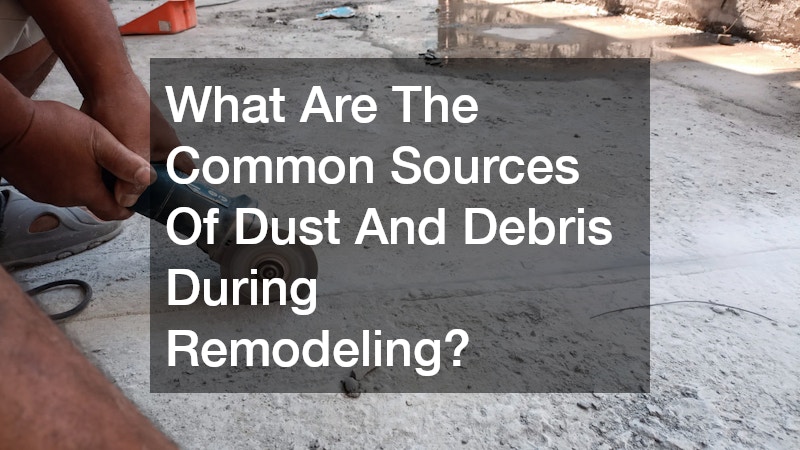
Construction Materials
One of the primary contributors to dust during remodeling duties is construction materials. Materials like drywall, cement, and wood generate fine dust that can easily spread throughout a home. Sanding, cutting, and shaping these materials creates airborne particles that settle on floors, countertops, and furniture. Hardwood floors and kitchen cabinets, for instance, can suffer from scratches and residue buildup if dust is not managed promptly.
Incorporating regular cleaning routines as part of remodeling duties can prevent this accumulation. Hiring an air duct cleaner to remove construction dust from HVAC systems can also help maintain air quality. In some cases, engaging a dry cleaner for upholstered items after major renovations can restore their original condition. Recognizing which materials produce the most dust allows homeowners to prepare in advance, ensuring that surfaces and belongings remain protected.
Demolition Activities
Demolition is another major source of debris during remodeling duties. Tearing down walls, removing old fixtures, or ripping up flooring releases significant amounts of dust and larger debris particles. These particles can linger in the air and settle in unexpected places, creating extra cleanup work if not controlled early.
During demolition, pool cleaners and drain services can be useful for managing water-based messes or residue from plumbing and pool areas. Similarly, HVAC companies can inspect ductwork to prevent dust from circulating throughout the home. By anticipating the intensity of dust production during demolition, homeowners can better plan for protective barriers, ventilation, and cleaning schedules, keeping remodeling duties efficient and less disruptive.
How Can Proper Ventilation Help Reduce Dust?
Types Of Ventilation Systems
Proper ventilation is a critical component of reducing dust buildup during remodeling duties. Homes typically rely on either natural ventilation, such as open windows and doors, or mechanical systems, including exhaust fans and HVAC units. Both approaches can help maintain air circulation and minimize dust accumulation, particularly in rooms undergoing intensive work like sanding, demolition, or painting.
Mechanical systems often incorporate HEPA filters, which can capture fine dust particles. Consulting HVAC companies during remodeling duties can ensure that vents and filters are functioning correctly and that dust is not spreading to other areas. Combining natural and mechanical ventilation provides the most effective control over airborne dust, keeping both living spaces and work zones cleaner throughout the remodeling process.
Best Practices For Ventilation
Effective ventilation during remodeling duties requires strategic planning. Opening windows across the home to create cross-ventilation allows fresh air to push dust-laden air out. Exhaust fans should be placed near dusty work areas to capture particles before they spread. For projects near pool areas or kitchen cabinets, coordinating ventilation with cleaning schedules enhances efficiency.
Air duct restorations may also be necessary if dust has infiltrated existing ducts, preventing recirculation of particles throughout the home. Scheduling regular visits from an air duct cleaner during extensive remodeling duties ensures that HVAC systems remain effective and clean. By integrating these practices, homeowners can significantly reduce airborne dust while maintaining a comfortable environment during renovations.
What Protective Barriers Should Be Used?

Plastic Sheeting
Using plastic sheeting is one of the simplest yet most effective strategies for controlling dust during remodeling duties. Plastic sheeting can cover floors, furniture, and sensitive surfaces, creating a protective barrier that prevents debris from settling. It’s particularly useful in rooms with hardwood floors or kitchen cabinets that are vulnerable to scratches and dust accumulation.
Plastic sheeting also helps contain dust during demolition and sanding activities. By enclosing work areas, homeowners can reduce the spread of debris and minimize cleanup. Pairing this with regular vacuuming or visits from a dry cleaner for upholstered items ensures that remodeling duties are less disruptive and more manageable. Proper installation and secure sealing of the sheets are key to maximizing their effectiveness.
Dust Barriers And Screens
Dust barriers and screens provide an added layer of protection during remodeling duties. These structures, often made of lightweight frames with mesh or plastic coverings, can separate construction zones from living spaces. They prevent fine particles from drifting into other parts of the home and make it easier to maintain a clean environment.
Installing dust barriers near HVAC vents or air ducts can complement air duct restorations, ensuring that the ventilation system does not spread dust. Pool cleaners and drain services can work alongside these barriers if water or moisture is involved in the renovation process. Overall, using physical barriers effectively reduces the spread of dust and supports a cleaner, safer remodeling experience.
Which Cleaning Techniques Are Most Effective?
Vacuuming vs. Sweeping
When managing dust during remodeling duties, vacuuming is generally more effective than sweeping. Traditional sweeping can stir up fine dust particles, sending them back into the air and onto surfaces like hardwood floors and kitchen cabinets. Vacuum cleaners equipped with HEPA filters are particularly useful, as they trap small particles and prevent them from recirculating.
Regular vacuuming should be integrated into remodeling duties to maintain a cleaner environment. For larger projects, hiring an air duct cleaner can further enhance air quality by removing accumulated dust from the ventilation system. Pool cleaners and drain services might also be needed if debris interacts with water systems. By prioritizing vacuuming over sweeping, homeowners can reduce the amount of time and effort required for post-renovation cleanup.
Regular Dusting Practices
Alongside vacuuming, regular dusting is critical for controlling debris during remodeling duties. Surfaces such as kitchen cabinets, window sills, and furniture should be wiped down frequently to prevent buildup. Using microfiber cloths or specialized dusting tools ensures that fine particles are captured rather than pushed around.
Scheduling regular dusting as part of remodeling duties also benefits indoor air quality, particularly in homes with HVAC systems. Air duct restorations or inspections by HVAC companies may be necessary if dust spreads extensively. Additionally, dry cleaner services can assist with textiles or upholstery that accumulate dust during renovations. Consistent dusting minimizes the risk of long-term damage and keeps spaces more livable throughout remodeling projects.
What Tools And Equipment Can Help Manage Dust?
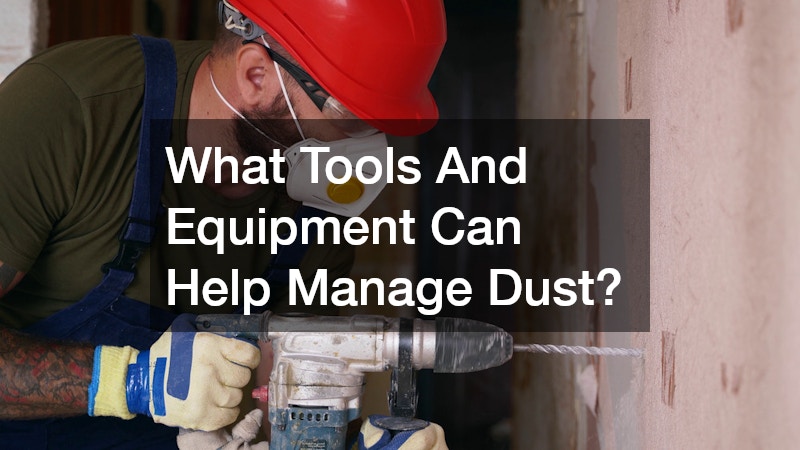
HEPA Filters
HEPA filters are essential for controlling airborne dust during remodeling duties. These filters trap tiny particles that standard systems often miss, making them a critical component of air purification. HEPA filters can be installed in vacuum cleaners, air purifiers, or HVAC systems, ensuring that both active work zones and living spaces maintain cleaner air.
For extensive remodeling, consulting HVAC companies about upgrading or maintaining duct filters is recommended. Air duct restorations might also be necessary to remove existing dust accumulation. Incorporating HEPA filtration into cleaning routines complements efforts by dry cleaners or pool cleaners in maintaining a dust-free environment. Overall, HEPA filters are an investment that supports efficient and safer remodeling duties.
Specialized Dust Collection Tools
Specialized tools designed for dust collection can make remodeling duties significantly easier. For example, sanding machines with built-in dust collection, shop vacuums, and dust extraction attachments reduce airborne debris at the source. Using these tools during demolition, sanding, or cutting helps keep hardwood floors, kitchen cabinets, and other surfaces cleaner.
Homeowners can also employ local storage solutions to temporarily house materials or items vulnerable to dust. Regular visits from air duct cleaners ensure that HVAC systems do not recirculate debris. By integrating specialized tools into remodeling duties, the overall cleanup process becomes faster, more efficient, and less disruptive to the home environment.
How To Manage Debris Disposal Efficiently?
Setting Up A Debris Collection System
Organizing a debris collection system is key to maintaining cleanliness during remodeling duties. Designated bins or containers can be placed around the work site to collect waste materials like wood scraps, drywall, or packaging. Keeping debris contained prevents it from spreading throughout the home and simplifies the final cleanup process.
Incorporating drain services during remodeling duties ensures that water or plumbing-related debris is properly managed. Similarly, pool cleaners can prevent dust or dirt from entering pool systems. Consistent debris collection minimizes hazards and allows remodeling projects to progress more smoothly, preserving the condition of hardwood floors, kitchen cabinets, and other surfaces.
Dumpster Rental Options
For large-scale remodeling duties, renting a dumpster may be the most practical solution for debris disposal. Dumpsters provide a centralized location for waste, keeping the work area organized and safe. Proper scheduling of dumpster pickups ensures that the remodeling site remains uncluttered, reducing the likelihood of dust accumulation.
Combining dumpster use with local storage solutions allows homeowners to store materials safely while maintaining a clean environment. Air duct restorations and HEPA filtration during debris removal can further reduce dust circulation. By planning disposal logistics in advance, remodeling duties can be executed efficiently, keeping both the home and the renovation area orderly.
What Precautions Should Homeowners Take In Their Living Spaces?

Covering Furniture And Floors
Protecting existing furniture and floors is an essential step in dust management during remodeling duties. Covering hardwood floors with drop cloths or plastic sheeting shields them from dust and debris. Similarly, kitchen cabinets, upholstered furniture, and other valuables can be wrapped or temporarily relocated to prevent damage.
Employing dry cleaner services post-renovation can restore any fabrics affected by dust. Pool cleaners and drain services can also maintain wet areas that might accumulate dirt or debris. By taking these precautions, homeowners reduce cleanup time and maintain the quality of their living space throughout remodeling duties.
Creating A Clean Zone
Establishing a designated clean zone is another effective strategy during remodeling duties. This zone, free from construction materials and dust, serves as a safe area for living, eating, or working while renovations are underway. Keeping this space separate from dusty work areas prevents contamination of personal items and promotes better air quality.
Consulting HVAC companies about air flow between clean zones and remodeling areas can further minimize dust transfer. Air duct restorations may be required if existing ducts circulate debris. Overall, creating a clean zone ensures that homeowners can continue daily activities comfortably while remodeling duties proceed.
How Can Professionals Assist In Dust And Debris Management?
Hiring Experienced Contractors
Working with experienced contractors who prioritize cleanliness can make remodeling duties far more manageable. Skilled contractors implement dust control measures, including protective barriers, vacuuming routines, and scheduled cleanups, reducing the homeowner’s workload. Their expertise ensures that surfaces like hardwood floors and kitchen cabinets remain in good condition throughout renovations.
Contractors can also coordinate with HVAC companies for air duct restorations or maintenance, integrate drain services for plumbing-related debris, and suggest dry cleaner referrals for sensitive items. By choosing professionals who emphasize dust management, homeowners streamline remodeling duties and maintain a healthier, cleaner environment.
Consulting Dust Control Specialists
In certain projects, consulting dust control specialists may be necessary. These professionals provide advanced strategies for minimizing dust and debris, including specialized equipment and procedural guidance. Their expertise is particularly valuable in homes with extensive remodeling duties or sensitive surfaces like hardwood floors and kitchen cabinets.
Dust control specialists may also recommend air duct restorations, HEPA filters, or collaboration with pool cleaners for water-sensitive areas. Incorporating their advice ensures that remodeling duties are executed with minimal disruption and maximum cleanliness. By leveraging professional knowledge, homeowners can prevent long-term damage and maintain a safer, more comfortable living space.
Preventing dust and debris buildup during remodeling duties requires a proactive and comprehensive approach. Planning ahead, using protective barriers, and implementing effective ventilation are essential first steps. Incorporating regular cleaning practices such as vacuuming, dusting, and utilizing specialized tools ensures that workspaces remain tidy, minimizing stress and reducing cleanup time.
Professional services like dry cleaner support, air duct cleaner maintenance, pool cleaners, and drain cleaningcan further enhance cleanliness during remodeling duties. HVAC companies and dust control specialists provide additional guidance, while local storage solutions and dumpster rentals help organize materials and debris. By integrating these strategies into remodeling duties, homeowners can achieve a smoother renovation process, preserve the condition of hardwood floors and kitchen cabinets, and maintain a healthy, comfortable environment throughout the project.