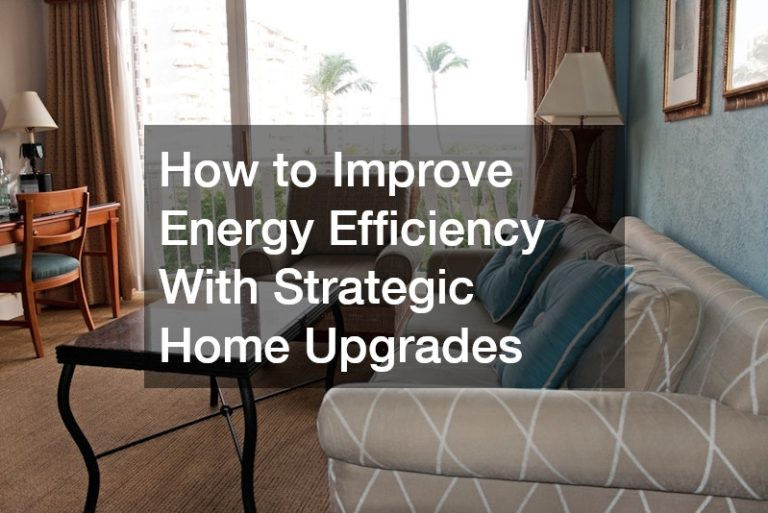
Home energy efficiency has become one of the most important considerations for modern homeowners. Rising utility costs, growing environmental awareness, and the desire for long-term comfort have shifted attention toward home upgrades that reduce energy waste. Small changes can lead to meaningful savings, while larger improvements can transform how efficiently a home uses and conserves energy. Many households today are reevaluating outdated systems, poorly sealed structures, and inefficient appliances, realizing that smart upgrades can support comfort and cut utility spending simultaneously.
Improving energy efficiency begins with understanding where a home loses energy most frequently. Heating and cooling systems often work harder than necessary due to leaks, old insulation, and aging equipment. Windows and doors contribute to drafts, while older lighting and appliances consume more electricity than modern alternatives. Some homes struggle with moisture management, airflow, or temperature control, all of which affect overall efficiency. Identifying these areas allows homeowners to approach upgrades strategically and prioritize changes that lead to long-lasting benefits.
Energy-efficient upgrades often involve a combination of short-term improvements and long-term investments. Simple steps, such as updating weatherstripping or switching to LED lighting, can deliver immediate results. Larger upgrades, including replacing outdated mechanical systems or improving the home’s exterior envelope, offer ongoing savings over many years. When these strategies are combined, they significantly reduce energy consumption and lower monthly bills.
Thoughtful planning is essential when improving energy efficiency. Homeowners should consider how different parts of the home interact. For example, upgrading insulation without addressing air leaks can reduce the effectiveness of the investment. Likewise, replacing windows may not yield full benefits if the surrounding framing is weak or poorly sealed. Understanding these relationships helps prevent wasted effort and ensures that each upgrade contributes to a cohesive, efficient system.
Energy efficiency is also about creating a more comfortable living environment. Homes that experience uneven temperatures, drafts, or excessive humidity often force heating and cooling systems to compensate. These issues can make daily life uncomfortable and contribute to unnecessary energy use. Upgrades that stabilize indoor conditions, improve airflow, and regulate temperature ultimately support a more pleasant and efficient home.
A more energy-efficient home provides environmental benefits as well. By reducing energy usage, households contribute to lower overall emissions and a more sustainable community. Many homeowners appreciate that their personal upgrades support broader environmental goals, complementing financial savings and improved comfort.
This guide explores how homeowners can enhance energy efficiency with strategic upgrades, ranging from insulation improvements to modern heating systems, advanced windows, exterior enhancements, and high-efficiency appliances. By understanding the various options and how they work together, homeowners can prioritize improvements that produce immediate rewards and long-term value.
Improving Efficiency Through Better Insulation
Understanding the Role of Insulation
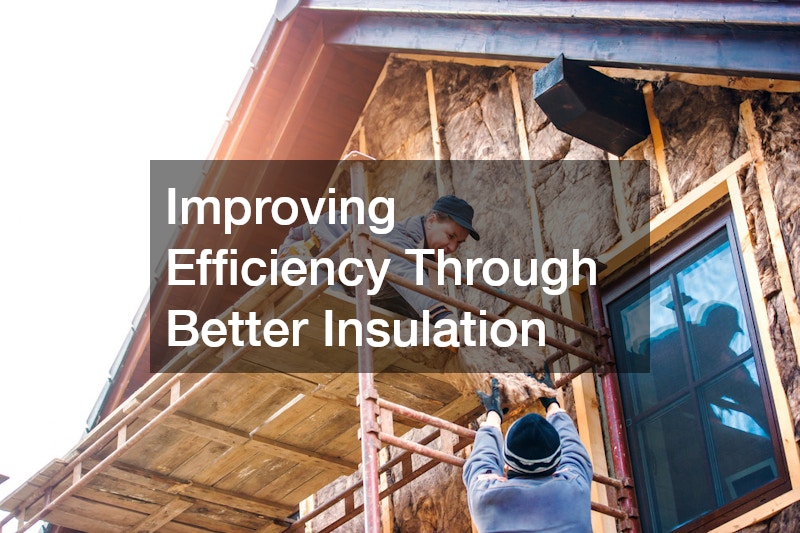
Insulation is one of the most impactful upgrades for energy efficiency because it reduces heat transfer between indoor and outdoor environments. Proper insulation keeps warm air inside during winter and prevents unwanted heat from entering during summer. Homes with insufficient insulation often struggle with temperature fluctuations and energy waste. Walls, attics, crawlspaces, and basements all require attention to ensure a home retains conditioned air effectively.
Over time, insulation can settle, become damaged, or degrade, reducing its effectiveness. Some older homes contain insulation that no longer meets modern standards. Upgrading insulation to higher R-values can significantly reduce energy consumption and strain on heating and cooling systems. While improving insulation may seem straightforward, it requires careful evaluation of existing materials, ventilation, and moisture conditions to prevent complications.
During insulation upgrades, homeowners may consult an HVAC repair technician if airflow imbalances or system inefficiencies are discovered while assessing attic or wall spaces.
Attic and Roof Insulation Upgrades
Heat naturally rises, which makes the attic one of the most important areas to address. Inadequate attic insulation leads to substantial energy loss. Depending on the home’s existing materials, blowing in additional insulation, installing batt insulation, or applying spray foam can help seal gaps and regulate temperature.
A local roofing company may also be involved if the project identifies ventilation issues or roof leaks that compromise insulation. Proper roofing and attic ventilation work alongside insulation to maintain desired indoor temperatures and protect structural elements from moisture-related damage.
Wall and Floor Insulation Enhancements
Walls and floors also contribute to energy loss. Homes with older construction methods often lack insulation in key areas, resulting in drafts, uneven temperatures, and increased energy use. Modern insulation products, such as dense-pack cellulose or spray foam, can fill gaps and provide better thermal protection.
Upgrading insulation in floors above crawlspaces or garages prevents heat loss into unconditioned areas. This improves comfort in living spaces and reduces the workload on heating and cooling systems.
Boosting HVAC Performance for Better Efficiency
Upgrading Heating and Cooling Systems
Heating and cooling account for a significant portion of energy usage in most homes. Outdated or undersized equipment operates inefficiently and often fails to maintain consistent temperatures. Upgrading to high-efficiency furnaces, heat pumps, or air conditioning systems greatly reduces energy waste and provides better comfort throughout the year.
Even well-functioning systems benefit from modern thermostats that offer programmable schedules, zoning capabilities, and remote access features. These technologies help ensure that energy is used only when needed.
Swimming pool repair professionals sometimes make efficiency recommendations when they notice that outdoor equipment, such as pool heaters or pumps, consumes more energy than modern alternatives.
Improving Airflow and System Balance
A heating or cooling system can only perform well if airflow is properly balanced. Duct leaks, blockages, and poorly designed ductwork force systems to work harder, leading to energy waste. Sealing ductwork, adjusting airflow, and modernizing ventilation components can result in significant efficiency gains.
Metal roofing installations may indirectly influence HVAC performance by reflecting heat and reducing attic temperatures. When less heat enters the home, cooling systems operate more efficiently and run less frequently.
Routine Maintenance and Care
Maintenance is essential for sustaining peak efficiency. Homeowners should schedule seasonal inspections, change air filters regularly, clean outdoor units, and monitor for signs of wear. Proper maintenance preserves equipment lifespan and prevents energy waste caused by clogged filters or malfunctioning parts.
Tree trimming service professionals may recommend clearing branches around outdoor HVAC units to improve airflow and reduce strain on the system.
Enhancing the Building Envelope
Improving Windows and Doors
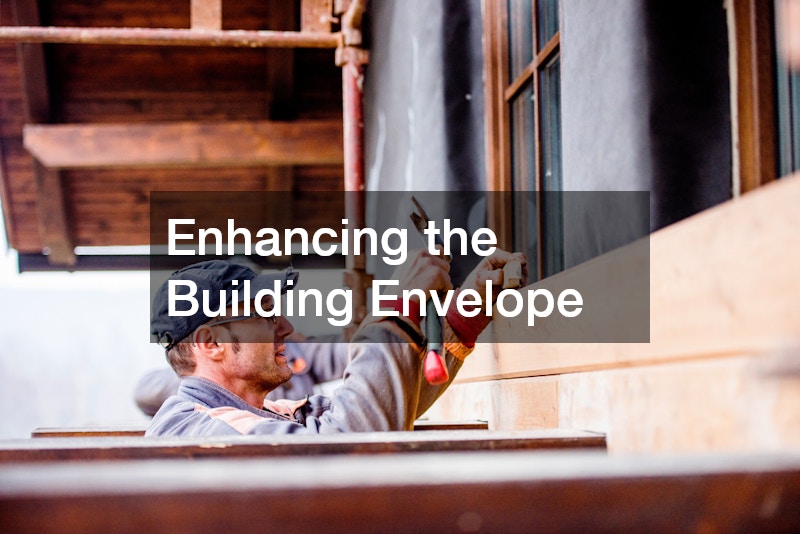
Windows and doors play a major role in regulating indoor temperatures. Older or poorly sealed openings contribute to drafts, air leakage, and temperature fluctuations. Upgrading to energy-efficient windows with low-emissivity coatings, double or triple panes, and insulated frames helps reduce heat transfer and improve comfort.
New doors with insulated cores also help stabilize indoor temperatures. Weatherstripping, proper installation, and well-fitted thresholds contribute to better efficiency.
Plumbing companies may encounter moisture issues around windows and doors when addressing leaks, making these areas even more important to upgrade.
Sealing Cracks and Air Leaks
Air leaks around walls, floors, foundations, and ceilings allow conditioned air to escape and unconditioned air to enter. These leaks often go unnoticed but significantly affect energy usage. Sealing gaps with caulk, foam, or weatherstripping helps maintain indoor temperatures and reduce the workload on mechanical systems.
A restoration company may be involved if underlying structural issues, such as moisture damage or wood rot, are discovered during sealing or insulation work. Addressing these issues prevents ongoing energy loss and protects the home’s structural integrity.
Improving Exterior Siding and Roofing Materials
Energy-efficient exterior materials reduce heat absorption and protect the home from weather-related changes. Upgraded siding materials offer better insulation, while reflective or insulated roofing materials help regulate attic temperatures.
Seamless gutter services also play a role by directing water away from the home, preventing moisture problems that compromise insulation and temperature control. Without effective drainage, walls and foundations may remain damp, affecting efficiency and durability.
Upgrading Appliances and Electrical Systems
Choosing Energy-Efficient Appliances
Modern appliances consume far less energy than older models. Upgrading refrigerators, dishwashers, washers, dryers, and other equipment reduces electricity usage and meets higher efficiency standards. ENERGY STAR®-rated appliances offer excellent performance while lowering utility bills.
When homeowners upgrade appliances, they often discover other opportunities for improving efficiency, such as adding surge protection, modernizing electrical panels, or installing smart-home technology that optimizes energy consumption.
Impact door installation service professionals sometimes observe that homes with updated doors maintain temperature more effectively, increasing appliance efficiency by stabilizing indoor conditions.
Optimizing Water Heating Systems
Water heating contributes significantly to household energy use. Tankless water heaters, heat pump water heaters, and high-efficiency storage tanks offer better performance with less energy waste. Updating plumbing fixtures also helps reduce water consumption and improve overall efficiency.
Epoxy flooring companies occasionally highlight the importance of moisture-resistant basements and utility rooms, as damp spaces can reduce water heater efficiency and strain mechanical systems.
Transitioning to LED Lighting
Switching from incandescent or fluorescent bulbs to LED lighting is one of the easiest upgrades for immediate efficiency gains. LEDs use less electricity, produce less heat, and last significantly longer. Smart lighting systems allow homeowners to control output, adjust schedules, and prevent unnecessary energy use.
Modernizing Interior Spaces for Lower Energy Use
Enhancing Natural Light Use
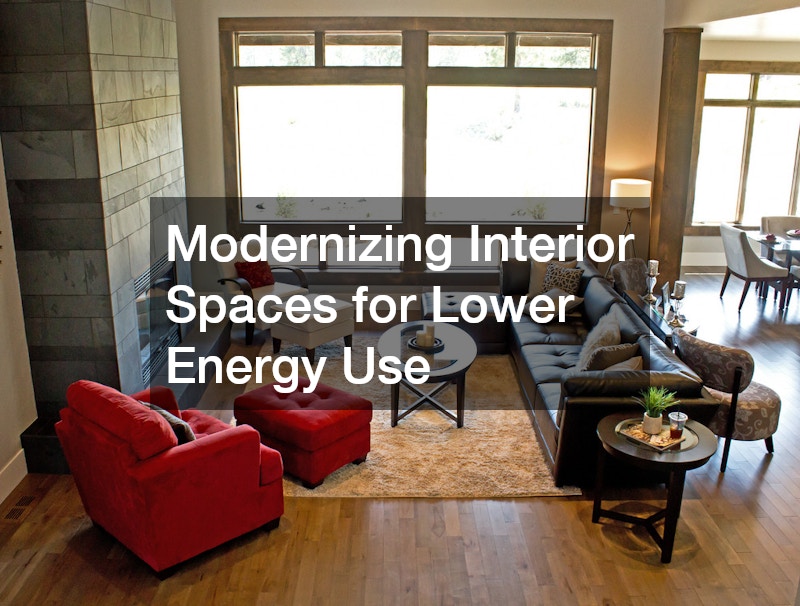
Maximizing natural light reduces the need for artificial lighting and helps regulate indoor temperatures. Homeowners can achieve this by installing skylights, expanding window openings, or choosing lighter interior finishes that reflect sunlight. This approach decreases electricity usage and makes indoor spaces feel brighter and more welcoming.
Improving Indoor Air Quality
Better indoor air quality often improves energy efficiency because systems operate more effectively with clean, unobstructed airflow. Upgrades such as air purifiers, dehumidifiers, and modern ventilation systems help maintain a stable indoor environment. Airborne particles, humidity, and poor ventilation can increase the workload on heating and cooling equipment.
Adding Smart Home Technology
Smart thermostats, lighting controls, and energy monitoring systems allow homeowners to track and adjust usage in real time. These tools identify wasteful habits, automate energy-saving settings, and support long-term efficiency improvements without constant attention.
Strategic Exterior Upgrades for Better Efficiency
Installing Energy-Efficient Roofing Materials
The roof is one of the largest surfaces exposed to sunlight, making it critical for efficiency. Upgrading to reflective materials, cool roofing products, or insulated panels reduces heat absorption and minimizes indoor temperature fluctuations.
Certain roofing styles, including metal roofing, help deflect sunlight and improve temperature control, supporting a more energy-efficient home.
Improving Landscaping for Environmental Control
Strategic landscaping helps shade the home, reduce heat gain, and block cold winds. Planting trees and shrubs in targeted locations can regulate temperature naturally. However, homeowners should maintain proper clearance to avoid interference with exterior systems.
Tree trimming service professionals help ensure foliage does not block ventilation, press against siding, or trap moisture around the home.
Rainwater and Moisture Management Enhancements
Moisture affects energy efficiency by weakening insulation and causing temperature inconsistencies. Effective drainage systems, such as seamless gutters, help manage rainwater and protect the home’s exterior. Downspouts that direct water away from foundations prevent moisture-related damage and maintain insulation effectiveness.
A restoration company may be consulted if water intrusion or structural deterioration is discovered during these upgrades.
Long-Term Investments for Maximum Energy Savings
Solar Panels and Renewable Energy Systems
Solar energy provides a long-term solution for reducing electricity consumption. Whether homeowners invest in full solar arrays or smaller hybrid systems, solar power significantly lowers grid dependence. Depending on climate and home orientation, solar upgrades can offset a substantial percentage of energy usage.
Geothermal Heating and Cooling
Geothermal systems use the stable temperatures below the earth’s surface to heat and cool homes. Though the initial investment is higher, the long-term energy savings and environmental benefits make geothermal systems attractive for homeowners seeking sustainable solutions.
High-Performance Windows and Insulated Exterior Materials
Advanced materials such as triple-pane windows, insulated concrete forms, and reinforced exterior siding create a durable, efficient building envelope. These materials help reduce heat transfer, protect against severe weather, and increase comfort throughout the year.
Creating a Comprehensive Energy-Efficiency Plan
Assessing Current Energy Usage
Before beginning upgrades, homeowners should evaluate where the most energy is being used or lost. Energy audits provide valuable insights and help pinpoint opportunities for improvement. These assessments often reveal issues with insulation, HVAC performance, windows, and appliances.
Prioritizing Upgrades Based on Impact
Not all upgrades offer the same level of savings. Addressing major inefficiencies—such as air leaks, insulation gaps, and outdated mechanical systems—often yields the biggest improvements. Smaller enhancements can follow once major issues are resolved.
Understanding Cost vs. Long-Term Value
While some upgrades require significant investments, the long-term savings can outweigh initial costs. Homeowners should consider utility reductions, home value increases, improved comfort, and potential tax incentives when planning.
Improving energy efficiency is one of the most effective ways to reduce household expenses, enhance comfort, and support environmental sustainability. Strategic upgrades—from insulation improvements to high-efficiency systems and thoughtful exterior enhancements—work together to create a home that uses less energy and provides better year-round performance. By identifying areas of energy loss, prioritizing impactful changes, and investing in long-term solutions, homeowners can transform their living spaces into efficient, comfortable environments that align with modern standards and expectations.